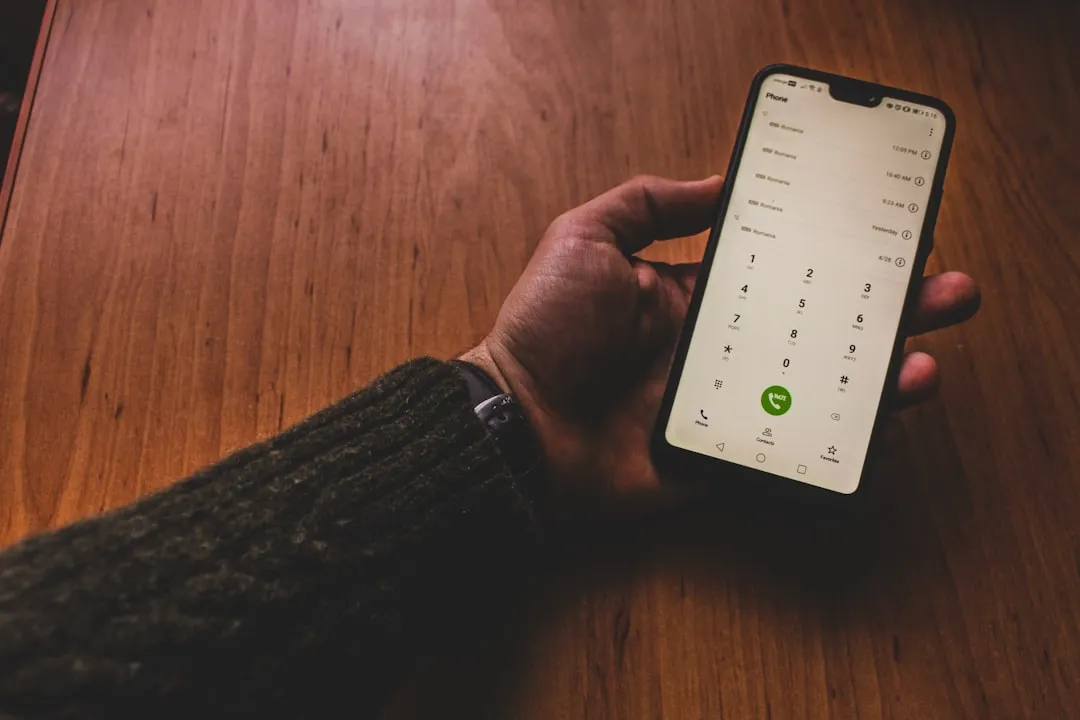
Japan eSIM with a Phone Number: When You Actually Need One

Most visitors to Japan do not need a Japanese phone number. A data-only eSIM is enough for maps, translation, messaging, transit apps, and internet calls. Keeping a US line active with data roaming turned off can also preserve access to bank and account verification texts from home.
A Japanese number becomes worth the extra work only when a trip depends on a service that specifically asks for a domestic number, Japanese SMS reception, or a voice-capable line. Emergency calling is the other important distinction: an official Japanese carrier FAQ confirms that its voice SIMs can call 110 and 119, while its data and SMS SIMs cannot.
Verdict
For most trips, skip the Japanese number. A data-only travel eSIM covers maps, translation, messaging and internet calls, and leaving the US line on with data roaming off keeps verification texts arriving at your home number.
Add a Japanese line only when a job needs one: a service that insists on a domestic number and texts its code, carrier voice calls to a business that will not use an app, or emergency calling confirmed for that exact plan. IIJmio states that its voice SIMs can call 110 and 119 while its data and SMS SIMs cannot, so do not assume a data-only tourist eSIM reaches Japanese emergency numbers.
Expect friction, too: a voice-capable line falls under Japan’s identity-verification rules, which for a visitor contracting in Japan generally means presenting a passport in person. For one booking, asking the hotel to call is less work.
If data is all that is needed, our Japan eSIM comparison covers the major travel plans. This guide addresses the narrower question that comparison leaves open: what changes when the line must include a Japanese phone number.
A phone number is not the same as a normal tourist eSIM
The common Japan travel eSIM is a roaming data product. It connects a phone to a Japanese cellular network, but it does not create a conventional Japanese mobile account with domestic voice service. The four providers in our existing comparison are data-only: no Japanese number, no SMS, and no carrier voice calling.
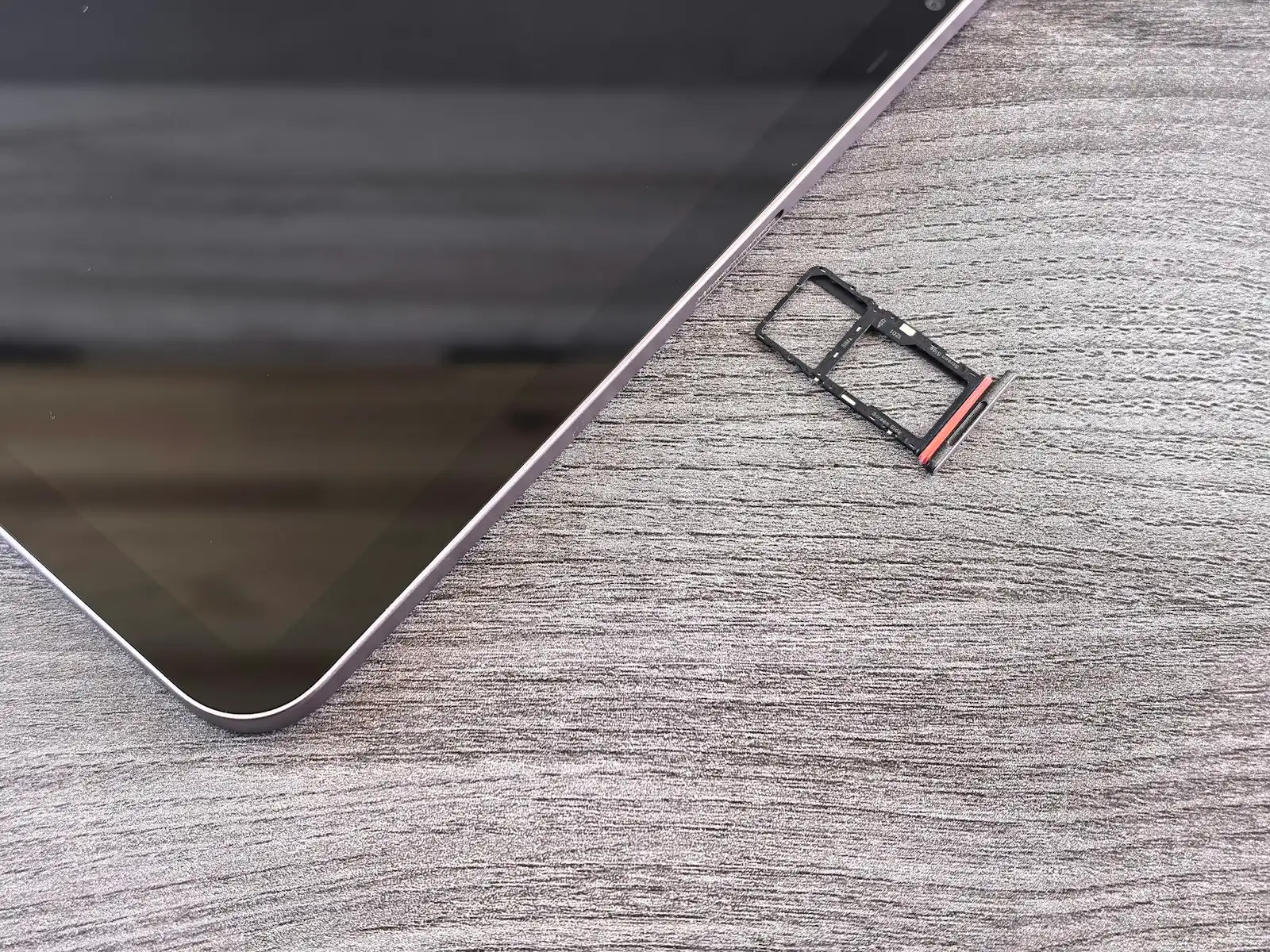
There are three separate things that are easy to blur together:
- A US number kept on the phone: useful for receiving texts from US banks, airlines, and online accounts, subject to the home carrier’s roaming terms.
- A Japanese number with SMS: useful only when a Japanese service accepts that number and sends a verification text to it.
- A Japanese voice line: supports ordinary carrier calls and is the type of service that triggers Japan’s identity-verification requirements.
The practical question is therefore not simply, “Does this eSIM show a phone number?” Ask what that number can do. A line may support data, SMS, voice, or some combination of the three. For emergency calling in particular, an SMS-only number is not equivalent to a voice line.
Why data-only eSIMs can be sold without a passport check
The difference is built into Japanese law rather than being a shortcut invented by travel eSIM companies.
Japan’s Ministry of Internal Affairs and Communications explains in its Q&A on the Mobile Phone Improper Use Prevention Act (Japanese only) that a data-only SIM is outside the law because it cannot receive a mobile voice communications service. The same Q&A says that a SIM issued by a foreign operator is outside the law if it is not provided by a Japanese telecommunications carrier.
That is the regulatory reason a traveler can usually buy and install a data-only eSIM online without presenting identification. The product provides internet access, not a Japanese mobile voice account.
A voice-capable Japanese line is different. The ministry says that identity verification for a foreign visitor contracting in Japan is generally based on showing a passport in person. When a passport is used, the provider must also handle the address requirement through supporting documentation or by having the visitor write their home address in the relevant field.
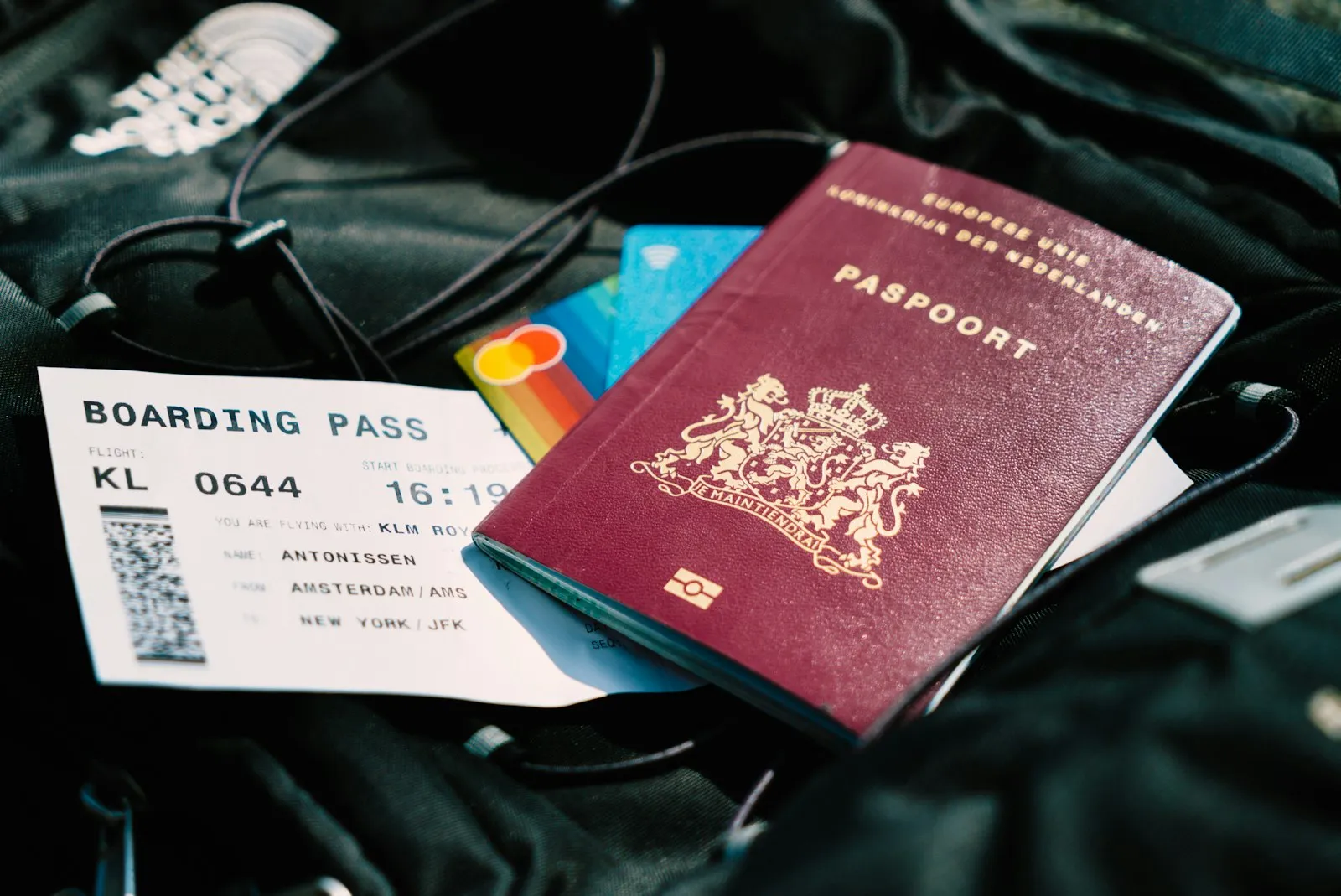
The Q&A also describes a route for arranging service from outside Japan. It involves sending a copy of the passport or another accepted identity document and delivering the device or related materials by registered, non-forwardable mail to the address shown in the documents. In other words, “order online” does not necessarily mean “open a Japanese voice line instantly.” The identity and delivery steps still have to be completed.
These obligations fall on the telecommunications provider or rental business, not on a tourist who happens to prefer a data eSIM. The ministry’s guidance for travel businesses handling rental phones (Japanese only) says that failing to perform the required identity check can carry up to two years’ imprisonment or a fine of up to ¥3 million. That helps explain why a legitimate voice-line seller may require a passport, controlled pickup, or identity-checked delivery even when the eSIM itself is digital.
When a Japanese number is actually useful
A Japanese number is mainly useful when a specific task cannot be completed with data or a US line.
A Japanese service explicitly requires domestic SMS
Some local forms and booking flows may ask for a Japanese-format number or send
a code by SMS. The safe way to evaluate this is to inspect the exact service
before buying connectivity. If the form accepts an overseas number, a US line
may be enough. If it requires a +81 mobile number and sends a text, a
data-only eSIM will not solve the problem.
Do not buy a voice line merely because a blog says that a particular app “requires” one. Account-verification rules change, can differ between new and existing accounts, and may depend on the device or region. Confirm the current requirement on the service’s own signup screen.
For a single reservation, asking a hotel concierge, front desk, or host to call is often less work than arranging a separate mobile contract. A number becomes more defensible when several essential bookings, deliveries, or work contacts will use it throughout the stay.
The traveler needs ordinary carrier voice calls
Internet calling is adequate when both parties can use the same app. It is less useful when the destination is a business landline, a person who expects a normal callback number, or a service that does not handle app-based calls.
A voice-capable Japanese line provides a domestic caller ID and normal carrier calling. Before paying, check whether outgoing calls, incoming calls, domestic SMS, and international calls are included or separately billed. The phrase “Japanese phone number” by itself does not answer those questions.
Emergency calling is part of the trip’s risk plan
Japan uses 110 for police, 119 for fire and ambulance, and 118 for the Japan Coast Guard. This is the most safety-sensitive reason to distinguish a voice line from a data plan.

The only official carrier statement verified for this guide is IIJmio’s emergency-call FAQ (Japanese only). It says that its voice SIMs can make calls to 110 and 119 and that its data SIMs and SMS SIMs cannot make emergency calls. It also says that location information is sent to the emergency service where possible, but the caller should still state their phone number and exact location verbally.
That official statement supports a general warning: do not assume that a data-only or SMS-only Japan SIM provides native emergency calling. However, this guide could not confirm the behavior provider by provider for the major tourist eSIMs. It also did not confirm what happens when a US line is roaming or when a phone has no active SIM. No specific tourist eSIM should therefore be treated as able or unable to call 110 solely on the basis of this article.
If emergency calling is an important purchase criterion, ask the provider in writing whether its exact plan can place native calls to 110, 119, and 118 in Japan. Save the answer offline. For a group trip, another practical safeguard is to ensure that at least one person’s line has provider-confirmed voice and emergency-call support, rather than assuming every data eSIM does.
How a visitor can get a Japanese voice line
The realistic routes are arranging a voice product before departure, collecting one in Japan with a passport, or using a rental phone service that performs its own identity check. The details vary by company, and official short-stay eligibility was not verified broadly enough to present a multi-provider ranking.
For this guide, only one provider’s current visitor-facing voice requirements could be verified from its official English page: Mobal. Sakura Mobile’s previous voice-SIM URL returned a 404 during research. IIJmio’s emergency-call rules were verifiable, but its eligibility requirements for a short-term visitor were not. Rakuten Mobile and povo were not checked for this article.
Mobal is included as a confirmed example, not as a ranking or a claim that it is the only option.
One officially verified example: Mobal
Mobal’s voice and data page lists Japanese-number products in both physical SIM and eSIM formats. Its published options include:
- Voice Lite: a Japanese phone number and SMS for ¥990 per month, with ¥4,950 due initially.
- Voice + Data: a Japanese phone number, SMS, and data from ¥1,650 per month.
- Voice Lite data use: the first 500 MB in a month is free; exceeding that triggers a flat ¥2,500 charge for up to 3 GB. Mobal tells customers who want to avoid that charge to turn off mobile data for this line.
Those were the figures displayed on the official page checked for this article. They are not a four-provider price comparison, and monthly voice products should not be compared directly with a seven-day data eSIM without checking the final term, activation, call charges, and cancellation conditions.
Mobal says that customers collecting a SIM in Japan need the order confirmation and passport. It also says that voice products cannot be delivered directly to a Japanese address for security reasons; the order is instead routed through a local post office, with identification shown on delivery. International delivery is available in supported countries, but accepted documents and the published delivery window vary by country.
The company identifies itself as a telecommunications provider registered with Japan’s Ministry of Internal Affairs and Communications under notification A-16-07612.
What to check before ordering
A voice eSIM removes the plastic card, but it does not remove the contract, identity check, or plan restrictions. Confirm these points on the exact product page or with support:

- Functions: Does the plan include a Japanese number, incoming SMS, outgoing SMS, incoming voice calls, and outgoing voice calls?
- Emergency calls: Does the provider explicitly confirm native calls to 110, 119, and 118 on this plan?
- Identity documents: Is a passport enough, or is proof of the home address also required?
- Pickup or delivery: Can verification be completed before departure, at an airport counter, at another pickup location, or through checked mail?
- Phone compatibility: Is the device unlocked, eSIM-capable, and compatible with the provider’s supported bands?
- Charges: Are calls, SMS, data overages, activation, and the first month included in the displayed price?
- End of service: Is the plan prepaid for a fixed term, or must it be canceled after the trip?
If the only unresolved task is one Japanese booking, solve that task first. Buying a second line is sensible when the number will be used repeatedly; it is unnecessary overhead when a hotel can make one call.
A practical setup for most US travelers
For most trips, the simplest arrangement remains a data eSIM plus the existing US line:
- Install the Japan data eSIM before departure.
- Set the Japan eSIM as the mobile-data line after landing.
- Turn off data roaming on the US line to reduce accidental roaming charges.
- Keep the US line enabled only if its roaming terms make incoming verification texts acceptable.
- Use app-based calls for ordinary communication.
- Decide separately whether the trip needs a provider-confirmed route to Japanese emergency numbers.
Connectivity is most useful when it supports the rest of the itinerary. If the trip includes shopping for a knife in Kappabashi or Sakai, our Japanese chef knife buyer’s guide explains the steel and handle terms that may appear only in Japanese. For gifts that do not have to fit in a suitcase, the Japanese snack box comparison covers three subscription services aimed at US buyers.
FAQ
Can I receive texts sent to my US number while using a Japan eSIM?
Usually, installing a second eSIM does not remove the US line. A compatible dual-SIM phone can use the Japan eSIM for data while leaving the US line active for texts. Whether incoming texts work and what they cost depends on the US carrier and plan, so check its international roaming terms and disable data roaming on that line.
Can a data-only eSIM call 110 or 119 in Japan?
Do not assume that it can. IIJmio officially states that its data and SMS SIMs cannot make emergency calls, while its voice SIMs can. This guide did not obtain equivalent official statements from each major tourist eSIM provider, and it did not confirm the behavior of a roaming US line or a phone without a SIM. Ask the exact provider before relying on any plan for emergency calling.
Can I buy a Japanese phone number after I land?
Yes, voice products can be arranged for pickup or identity-checked delivery, but a legitimate provider must follow Japan’s verification rules. For a foreign visitor contracting in Japan, the ministry says that in-person passport presentation is the basic method, with an address handled through supporting documentation or a written home address. Mobal is the one visitor-facing provider whose current process was officially verified for this guide.
Summary
A Japanese phone number is a specialist tool, not a standard requirement for a Japan trip. Choose a data-only eSIM when the job is maps, translation, messaging, and internet calls. Keep the US line available when verification codes are sent to the US number. Add a Japanese line only when a specific service needs domestic SMS, ordinary carrier voice calls matter, or the plan’s confirmed emergency-calling capability justifies the identity checks and added cost.
For safety, treat emergency calling as a separate requirement and demand an answer for the exact plan. The evidence obtained here establishes that one Japanese carrier allows 110 and 119 on voice SIMs and not on its data or SMS SIMs. It does not establish the behavior of every tourist eSIM, a roaming US line, or a SIM-free phone. That limit is worth stating plainly rather than turning an assumption into travel advice.
Sources: Ministry of Internal Affairs and Communications mobile-phone identity-verification Q&A, Ministry guidance for travel businesses handling rental phones, IIJmio emergency-call FAQ, Mobal Japan voice and data plans (all accessed 10 August 2026).