Sending Money From Japan: Banks, Transfer Services, and the Rules

Domestic transfers in Japan are so fast and so cheap that the first international one comes as a shock. The form is longer, you are asked for identification you did not expect, the fee has three parts instead of one, and the amount landing in the other account is not quite the amount anyone quoted.
None of that is a glitch. Money leaving Japan travels through a different system from money moving inside it, is handled by two different kinds of company, and passes a reporting threshold most residents never hear about until they cross it.
Verdict
Before you compare prices, check the operator. For a non-bank service, that means finding its Japanese corporate name in the register of funds transfer service providers the Financial Services Agency publishes — the copy checked here is dated 30 June 2026 and lists 84 operators. Search for the registered company name, not the logo.
Then compare fees on the providers’ own pages, on the same day, and write the date down. Published rates move, so any figure copied into an article — this one included — is out of date the moment it is typed. What does not move is the shape of the charge: a bank transfer carries a flat fee, a percentage-based charge with a floor, and correspondent bank charges that Sumitomo Mitsui Banking Corporation states are not fixed as to amount or timing when you place the transfer.
And know the reporting line. For transfers above one million yen out of or into Japan, the financial institution files a report with the tax office by the end of the following month. That is a report, not a tax.
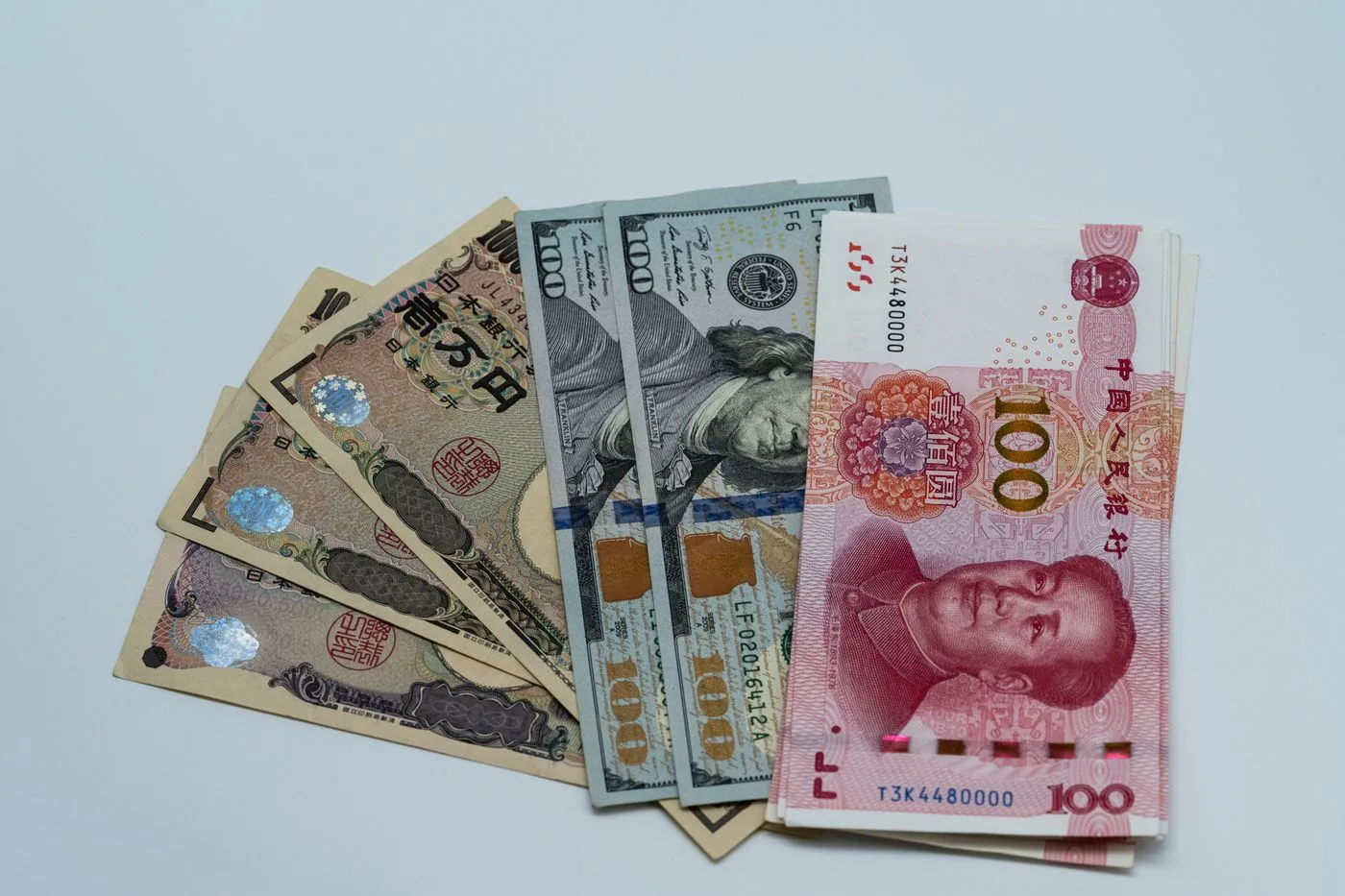
Why a transfer abroad is not just a longer domestic transfer
Because the network that makes domestic transfers quick stops at the border. Japan’s bank-to-bank transfers run over the Zengin System, operated by the Japanese Banks’ Payment Clearing Network, which describes it as an online system handling notifications and settlement for domestic exchange transactions between member banks.
That word is the whole point. It is also why a transfer between two Japanese accounts arrives while you are still looking at the screen: since October 2018 the system has run as a Core Time System for weekday daytime traffic plus a More Time System covering evenings, weekends and public holidays, which together made round-the-clock transfers possible here.
An international transfer has none of that. Your bank must move instructions and value to a bank in another country, and where it has no direct relationship it goes through banks that do — the correspondent or intermediary banks, which charge for their part.
| Term you will meet | What it means |
|---|---|
| Zengin System (zengin shisutemu) | Japan’s interbank network for domestic transfers. Not a route abroad |
| Outgoing transfer (shimuke sōkin) | Money you send out of Japan |
| Incoming transfer (hishimuke sōkin) | Money arriving from abroad into your Japanese account |
| Correspondent or intermediary bank | A bank in the chain between yours and the recipient’s, which deducts its own charge |
| Lifting charge | A charge applied when a foreign-currency transfer is paid out in that same currency, so no conversion happens |
| Funds transfer service provider (shikin idō gyōsha) | A registered non-bank operator. Banks are not in this register |
You will see “SWIFT” used in English write-ups as shorthand for all of this. This article does not lean on it: the verifiable mechanism is simpler, because banks name correspondent bank charges outright in their own fee schedules.

How to check a transfer service is registered in Japan
Open the Financial Services Agency’s register of funds transfer service providers and look for the operator’s registered Japanese company name. It is a PDF and it is in Japanese, but four things make it usable even if you do not read the language.
- Read the date on the cover first. The register is a snapshot: the copy used here is dated 30 June 2026 and gives a total of 84 registered operators. Download the current file rather than trusting a count quoted anywhere else, this article included.
- Do not search for the brand. Services register through a Japanese subsidiary, under the name that company is incorporated with here. Wise is listed in katakana as Wise Payments Japan; Revolut appears as Revolut Technologies Japan in full-width Roman letters, which an ordinary half-width search will not match. Finding nothing tells you about your search, not the operator.
- Copy the registered name from the provider’s own Japanese pages. Company information and legal notices carry the incorporated name and usually the registration number. Paste that string into the PDF search box for an exact match.
- Read the registration number. It names the authority that granted it: an entry issued by the Director-General of the Kanto Local Finance Bureau is written that way, followed by a five-digit number.
Three confirmed entries, as a worked example of the format, not a recommendation:
| Service | How the entry is written | Registration number | Registration date |
|---|---|---|---|
| Wise | Wise Payments Japan, in katakana | Kanto Local Finance Bureau No. 00040 | 18 August 2015 |
| Revolut | Revolut Technologies Japan, in full-width Roman letters | Kanto Local Finance Bureau No. 00060 | 26 July 2018 |
| Western Union | Western Union Japan, in katakana | Kanto Local Finance Bureau No. 00039 | 18 August 2015 |
Remitly’s Japanese entity appears in the same register. Being listed is evidence of registration, not a rating.

What a bank charges, and why the arrival amount can move
A bank’s international transfer fee is not one number. Sumitomo Mitsui Banking Corporation’s schedule of fees for foreign business, dated February 2026, sets out charges in layers that behave differently.
- A transfer fee per instruction. It varies with how you place the transfer — over the counter, through electronic banking, booked in advance or on the day — so the same transfer costs different amounts by channel.
- A percentage-based charge with a floor. Two of these appear. A lifting charge applies where a foreign-currency transfer is paid out in that same currency, so no exchange takes place; a yen remittance handling fee applies to yen-denominated transfers. Both are a percentage of the amount sent, subject to a minimum, which is why they bite hardest at small values.
- A correspondent bank charge. This is the layer that behaves unlike a price. Where you elect to cover the charges raised by the recipient’s bank and the banks in between, the schedule takes an amount up front, then bills you the difference afterwards if the eventual claim runs higher.
The bank’s own note on that last layer is worth reading twice. Its schedule says that where there is an additional claim, the amount and the timing are not determined at the point the transfer is arranged, and that billing may happen more than once. That is the honest version of what people describe as hidden bank charges: the number on the receipt is not the final number, and the bank says so in advance.
Fee levels move and each bank publishes its own, so rather than reprint amounts that go stale on the page, open your bank’s foreign-business fee page and note the date you looked.
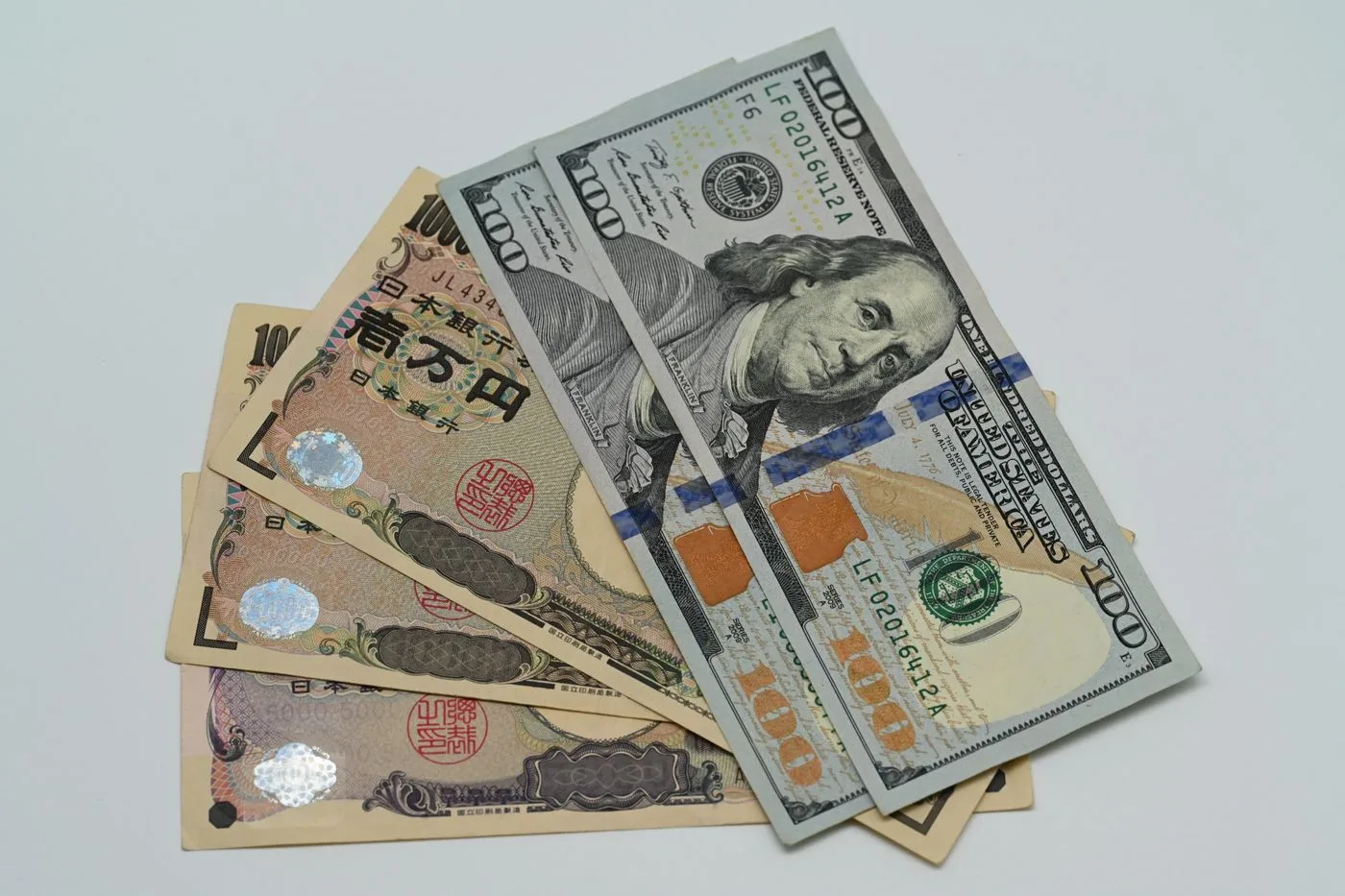
Receiving money from abroad
The same layered logic runs in reverse, and the surprise is bigger, because you did not choose the route.
Sumitomo Mitsui’s schedule states that where a transfer arrives through another bank in Japan, the amount credited may already have that bank’s charge deducted — and that this can happen even where the fees were designated as payable by the sender. The receiving side carries its own lifting charge and yen handling fee entries too, on the same percentage-with-a-minimum pattern.
So if someone abroad sends a round number and a slightly smaller number lands, the shortfall is usually not an error to dispute. It is a deduction made along the chain by a bank that never dealt with you. Agree with the sender who pays which charges before the money moves, and treat the credited figure as an approximation until it arrives.
Comparing costs without trusting a number in an article
The honest method is a template, not a table of prices. Fill it in yourself, on one day, from the providers’ own pages.
| What to record | Why it matters |
|---|---|
| The date and time you checked | Fees and rates both move. A comparison without a date is not a comparison |
| The transfer fee, and the channel it applies to | Bank fees differ by counter, online and booking method |
| Any percentage charge and its minimum | Small transfers are dominated by the floor, not the rate |
| The exchange rate the provider will use | Quoted separately from the fee by most providers |
| Who pays intermediary and receiving bank charges | The variable behind most “less arrived than expected” complaints |
| The amount the recipient is quoted to receive | The only figure that answers your actual question |
Two habits make the result trustworthy. Compare the amount received rather than the fee, because a low fee attached to a poor rate can lose to a higher fee with a better one. And compare on one day: a rate captured on Monday does not belong beside a fee captured on Friday. For the same reason, do not carry an old comparison forward.

What the tax office is told
Two things happen around larger transfers, and only one of them involves tax.
The first is a form. Under the Act on Submission of Reports on Overseas Remittances etc. for Securing Proper Domestic Taxation (Act No. 110 of 1997), a person sending money abroad or receiving it from abroad submits a declaration to the financial institution handling it, and the institution verifies the name, address and individual number against documents such as a copy of the resident record. That is why the counter asks for paperwork a domestic transfer never needed. The resident record does more work in Japan than newcomers expect: it is also the document at the centre of Japan’s tightened driver’s license conversion rules.
The second is a report from the bank to the tax office. Article 4 of the same Act requires a financial institution that has handled an overseas remittance or receipt to file a report with the competent tax office by the end of the following month, excluding transfers at or below an amount fixed by cabinet order. The enforcement order sets that amount at one million yen.
Read that carefully, because English discussions routinely overstate it. Above one million yen, in either direction, the tax office is told that a transfer happened. The provision imposes no tax and asks nothing of you beyond the declaration.
Gift tax is a separate question, and this article will not answer it for your situation. The National Tax Agency defines gift tax as applying when an individual acquires property by gift from an individual, and notes that property acquired by gift from a corporation attracts income tax instead. It also states that gift tax is charged on the total value of property received by gift during the calendar year after deducting the basic exemption of 1.1 million yen, and that where the year’s total is at or below that figure no gift tax arises and no return is required.
That is the definition, not an answer. Whether a particular transfer — money to your own account abroad, support for a relative, money received from family — falls inside it depends on facts this article cannot see. If yours is large, recurring, or between people rather than between your own accounts, take it to the National Tax Agency and your local tax office before you send.
Visitors face a different money question entirely — not remittance but the consumption tax paid at the till, where the rules for tax-free shopping changing in November 2026 apply instead.
FAQ
How do I check whether a money transfer service is registered in Japan? Look up its incorporated Japanese name in the register of funds transfer service providers published by the Financial Services Agency. Search for that name rather than the brand: entries are written in Japanese script, and Wise, for instance, is listed in katakana as Wise Payments Japan. Check the date on the cover of the copy you downloaded — the one used here is dated 30 June 2026 and lists 84 operators. Banks do not appear in this register at all.
Why did less money arrive than the amount that was sent? Usually because a bank in the middle deducted its own charge. Sumitomo Mitsui’s fee schedule states that where a transfer arrives via another bank in Japan, the credited amount may have that bank’s fee deducted, even where the fees were designated as payable by the sender. On the sending side, the same schedule says a further correspondent bank claim may be billed later.
Is there a limit on how much money I can send out of Japan? How much any given service will move for you is set by that provider’s own terms, so check those rather than a general guide. What statute fixes is a reporting line, not a ceiling: for transfers above one million yen out of or into Japan, the financial institution files a report with the tax office by the end of the following month.
Do I have to pay tax on money I send to or receive from abroad? Filing that report is not a tax and does not create one. Gift tax is defined by the National Tax Agency as applying when an individual acquires property by gift from an individual, with a basic exemption of 1.1 million yen per calendar year and no return required where the year’s total is at or below that figure. Whether your particular transfer counts as a gift is a question for the National Tax Agency and your local tax office rather than for this article.
What to remember
The order of operations matters more than the price. Check that the operator is registered, then compare on the providers’ own pages on a single day, then send. Reversed, you shop on unchecked numbers from an unchecked operator.
Expect the bank route to be honest about being imprecise. The three layers are published, but the total is not knowable in advance, and Sumitomo Mitsui says so in its own schedule. If your transfer needs an exact arrival figure, that is the thing to plan around.
And keep the reporting threshold in proportion. Above one million yen the tax office is told a transfer took place. That is a disclosure rule; the tax questions sit elsewhere and deserve a proper answer rather than a guess.
If you are winding up a life here rather than just sending money home, the disposal side takes longer than the transfer does — our guide to why Japan’s garbage rules change at every city boundary covers the appliances you cannot simply put out.
Everything above reflects what the Financial Services Agency, the Japanese Banks’ Payment Clearing Network, Sumitomo Mitsui Banking Corporation and the National Tax Agency published as of 12 August 2026, plus the statutes cited. Registers and fee schedules are reissued regularly, so download the current version rather than relying on what is quoted here.
Sources: Financial Services Agency: register of funds transfer service providers (PDF, Japanese), Japanese Banks’ Payment Clearing Network: about the Zengin System (Japanese), Sumitomo Mitsui Banking Corporation: schedule of fees for foreign business, February 2026 (PDF, Japanese), Act on Submission of Reports on Overseas Remittances etc. for Securing Proper Domestic Taxation, Act No. 110 of 1997 (e-Gov, Japanese), Enforcement Order of the same Act, Cabinet Order No. 363 of 1997 (e-Gov, Japanese), National Tax Agency: No. 4402, when gift tax applies (Japanese) (all accessed 12 August 2026).