Japan Tax-Free Shopping Changes on November 1, 2026

Japan is not ending tax-free shopping for international visitors. It is changing when you receive the tax benefit.
For eligible purchases made from November 1, 2026, stores will charge the tax-inclusive price at checkout. You will then need customs confirmation when leaving Japan, after which the store will issue the amount equivalent to the consumption tax as a refund.
The National Tax Agency’s official English guide describes the change plainly: the “Tax-Free Shopping System will be shifted to the Refund Method” from November 1, 2026. It also rules out a dual-system transition:
“There will be no period during the shift when the current system and the refund system can be effective together.”
That makes the purchase date important. A qualifying sale completed by October 31, 2026 follows the current system. A qualifying sale completed on or after November 1 follows the new refund method.
Verdict
Tax-free shopping is not ending — what changes is when you get the money. For eligible purchases made from November 1, 2026 you pay the tax-inclusive price at the register, customs confirms at departure that the goods are leaving Japan, and the store then refunds the consumption-tax equivalent. A sale completed by October 31, 2026 still runs under the current system; the National Tax Agency rules out any overlap period.
Four rules carry the practical weight: the ¥5,000 minimum stays, customs confirmation must happen within 90 days of purchase and before you check any bag holding the goods, and every item on a tax-free receipt must be available for inspection, because one missing item can fail the whole receipt.
What disappears is store-side complexity: the general-goods and consumables split, the ¥500,000 cap, the sealed packaging and the “daily use” test. What the rules do not set is the refund method or its timing — the store decides, so ask before a large purchase.

Want the number for a specific purchase? Our tax-free refund calculator shows how much consumption tax is included in a price under the new refund method, and whether it clears the ¥5,000 minimum.
The refund method, step by step
From the register to the departure gate, the sequence is:
- Show your eligibility information at a participating tax-free store.
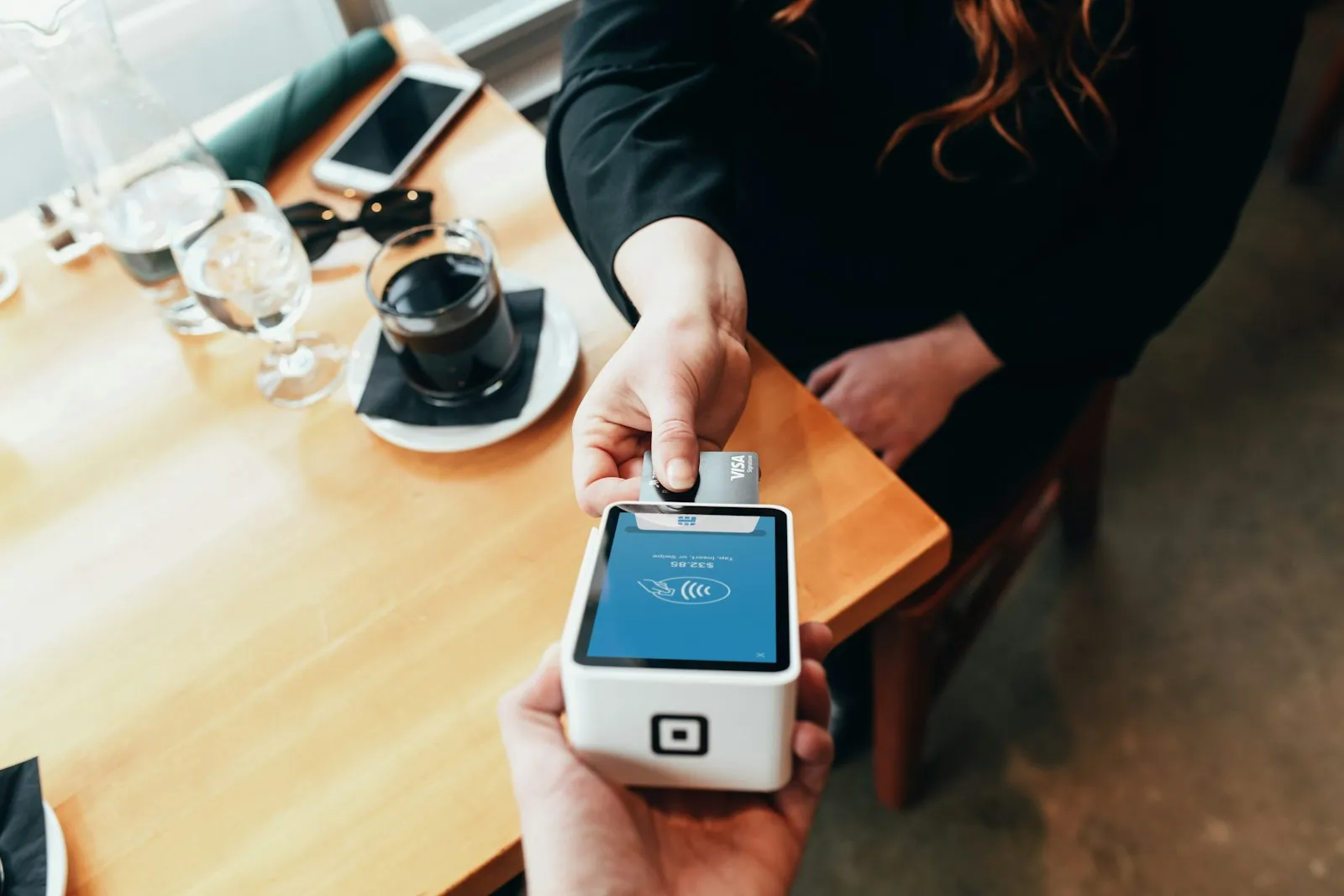
- Pay the full tax-inclusive price.
- Keep the goods available for customs confirmation.
- Leave Japan within 90 days of the purchase.
- Complete customs confirmation before checking any bag that contains the goods.
- Receive the refund through the method offered by the store.
The biggest practical change is cash flow. The tax is no longer removed at the register. You need enough available credit or cash to pay the full price, and the refund does not become available until after customs confirms that the goods are leaving Japan.
What changes on November 1, 2026
| At the store or airport | Through October 31, 2026 | From November 1, 2026 |
|---|---|---|
| Price paid at the store | Tax-free price for an eligible purchase | Tax-inclusive price |
| Export check | Customs may inspect the goods at departure | Customs confirmation is required for the refund |
| Refund | Tax is removed during the store transaction | Store refunds the tax equivalent after customs confirmation |
| Deadline | Current-system rules apply | Departure confirmation within 90 days of purchase |
| General goods vs. consumables | Separate categories and conditions | Category distinction abolished |
| Consumables purchase cap | ¥500,000 maximum | Cap abolished |
| Special sealed packaging | Required for certain consumables | Requirement abolished |
| “Daily use” test | Applies under the current rules | Abolished |
The ¥5,000 minimum purchase threshold remains. The reform changes the timing and administration of tax-free shopping, but it does not remove that minimum.
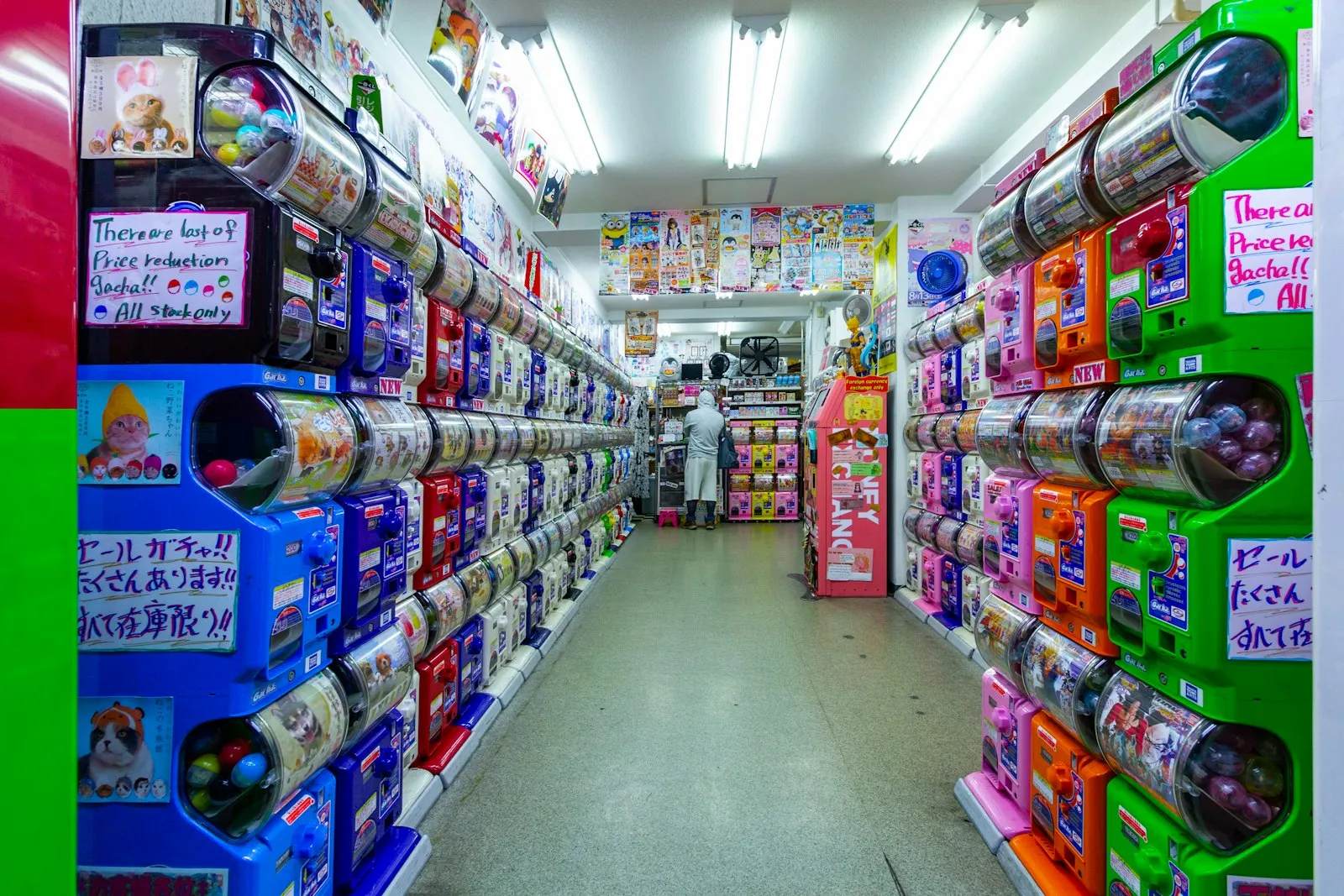
The distinction between general goods and consumables also disappears. Cosmetics, food, medicine, clothing, electronics, and other eligible goods will no longer be divided into two systems with different packaging and purchase-limit rules. The ¥500,000 cap for consumables and the special sealed-packaging requirement are both abolished.
This should make the store-side rules easier to understand, but it does not mean every purchase qualifies. The goods still need to be personally exported from Japan, and the amount purchased must be within what the traveler can take out of the country.
What is excluded
The revised rules specifically exclude:
- Gold and platinum bullion
- Gold and platinum coins
- Products already exempt from consumption tax
The exclusion of gold and platinum coins is worth noticing because it is easy to assume that a collectible coin is ordinary merchandise. Under the revised system, those coins are listed alongside bullion rather than treated like a normal souvenir purchase.

Ordinary goods are not disqualified simply because they are expensive or intended as gifts. The revised system abolishes the requirement to decide whether the purchase is for “daily use.” However, the personal-export limit still matters: tax-free goods must be within the quantity you can carry out of Japan yourself when you depart.
For a high-value purchase such as a Japanese knife, camera, watch, or appliance, keep the store receipt and any information the retailer gives you about its refund process. If you are still choosing a blade, our Japanese chef knife buyer’s guide explains the steel, shape, and handle terms commonly used in Japanese stores.
The 90-day departure deadline
Customs must confirm that you are taking the goods out of Japan within 90 days from the purchase date.
The official guidance counts from the day after purchase through the 90th day. Its example is straightforward: if the purchase is made on November 1, the customs-confirmation deadline is January 30 of the following year.
This matters most for long stays. A visitor who buys something near the beginning of a three-month trip may be much closer to the deadline than expected by departure day. Buying on the 90th day of a stay does not reset the rule for earlier purchases; each purchase has its own deadline.
If the deadline is missed, the official guidance does not provide compensation for the lost refund. For a long itinerary, check the purchase date on each receipt rather than relying on the arrival date or visa period.
Customs comes before checked baggage
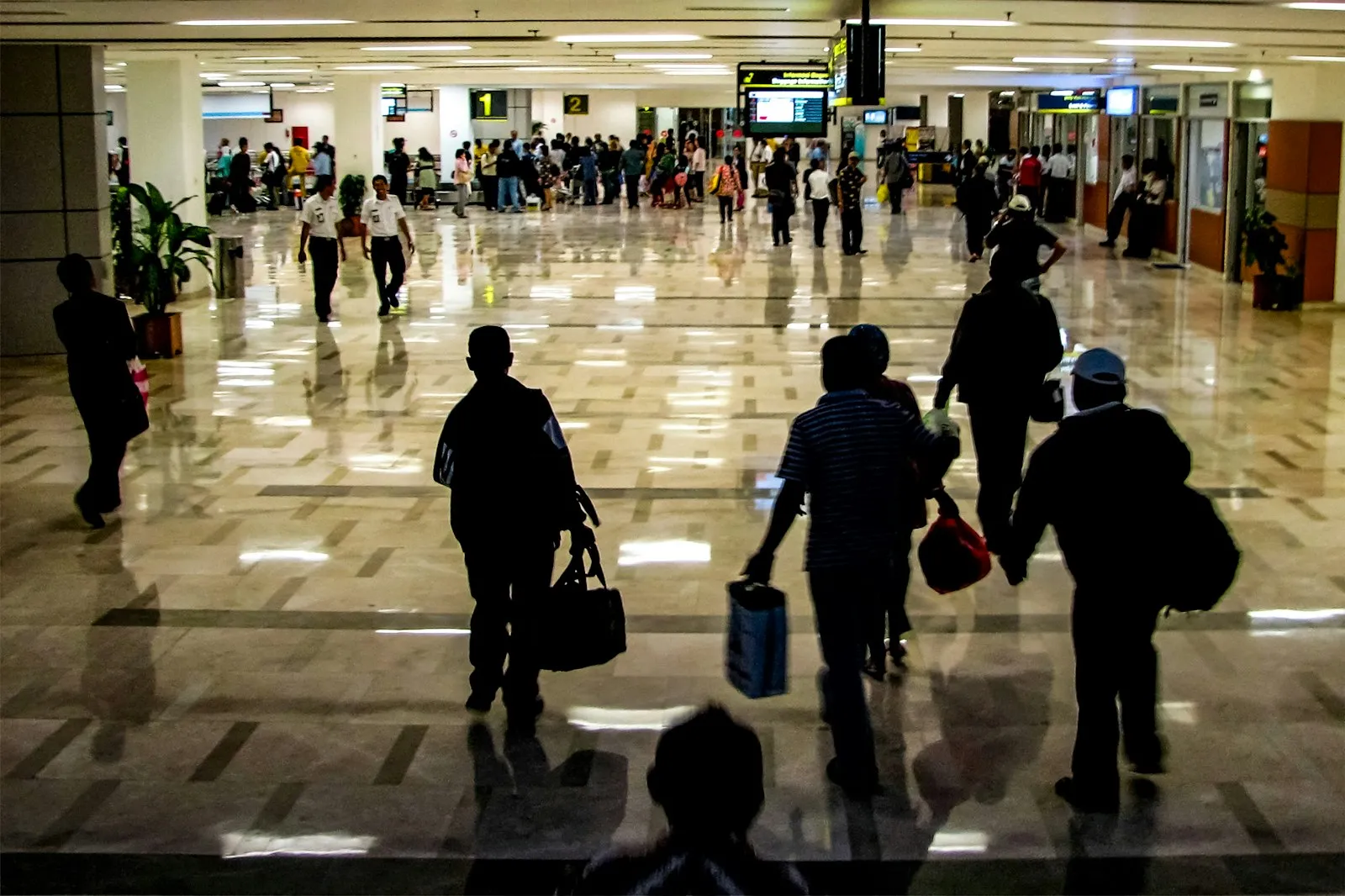
The most important airport rule is also the easiest one to get wrong: complete customs confirmation before checking any bag that contains tax-free purchases.
The National Tax Agency’s English tourist notice is explicit:
“Customs confirmation cannot be completed after you have checked your hand luggage at the airport or seaport from which you are departing.”
It instructs travelers to use a tax-free procedure terminal or other electronic terminal in the departure lobby before checking the relevant bag and with enough time left for boarding procedures.
A safe departure order is:
- Arrive with extra time.
- Keep the tax-free goods, passport, and purchase information together.
- Go to the tax-free customs-confirmation area before airline bag drop.
- Complete the terminal procedure and follow any inspection instructions.
- Check the bag only after confirmation is complete.
Do not pack a tax-free purchase at the bottom of a suitcase that will be inaccessible at the airport. Customs can ask to see the goods. If the item is already inside checked baggage, airport staff may not be able to return the bag for inspection.
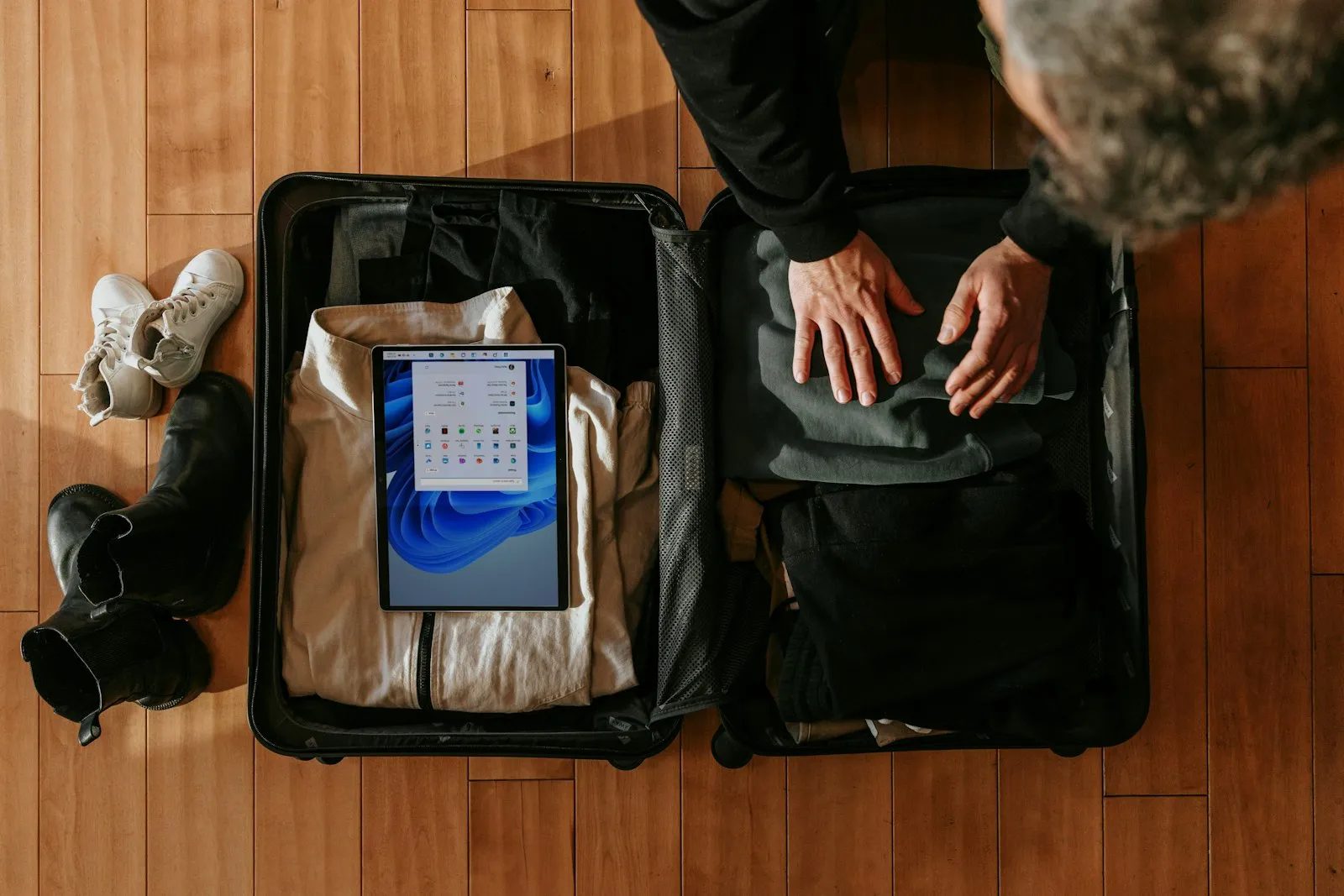
This is particularly relevant for knives, liquids, cosmetics, and other items that travelers commonly place in checked luggage. The new system does not turn those into carry-on items; airline security rules still apply. It means the customs step needs to happen before the airline takes the bag.
One missing item can block the whole receipt
The official guidance treats a purchase record as a unit. If customs cannot confirm one tax-free item recorded on a receipt, the entire receipt can fail confirmation.
For example, suppose a receipt includes packaged food, cosmetics, and a kitchen tool. If the food was consumed in Japan or the cosmetics cannot be produced for inspection, the issue may affect the refund for every item recorded on that receipt, not only the missing product.

Practical ways to reduce that risk include:
- Keep all goods from the same receipt together.
- Do not consume food, drinks, cosmetics, or medicine bought under the tax-free procedure while in Japan.
- Avoid mixing “use during the trip” purchases with items intended for export on one tax-free receipt.
- Ask the store whether separate transactions are possible when some items may be opened during the trip.
- Keep receipts until both customs confirmation and the refund are complete.
The packaging requirement is being abolished, but that is not permission to consume the goods in Japan. Customs still needs to confirm that the tax-free goods are being exported.
Visit Japan Web is not a universal substitute
Visit Japan Web can reduce paperwork, but travelers should not assume that its online tax-free customs option works at every departure point. The Japan Tourism Agency’s tax-free shopping guidance should be checked again before departure because airport procedures can be updated.
As of the official guidance reviewed for this article, the online alternative is limited to seven airports:
- Narita International Airport
- Haneda Airport
- Kansai International Airport
- Chubu Centrair International Airport
- Fukuoka Airport
- New Chitose Airport
- Naha Airport
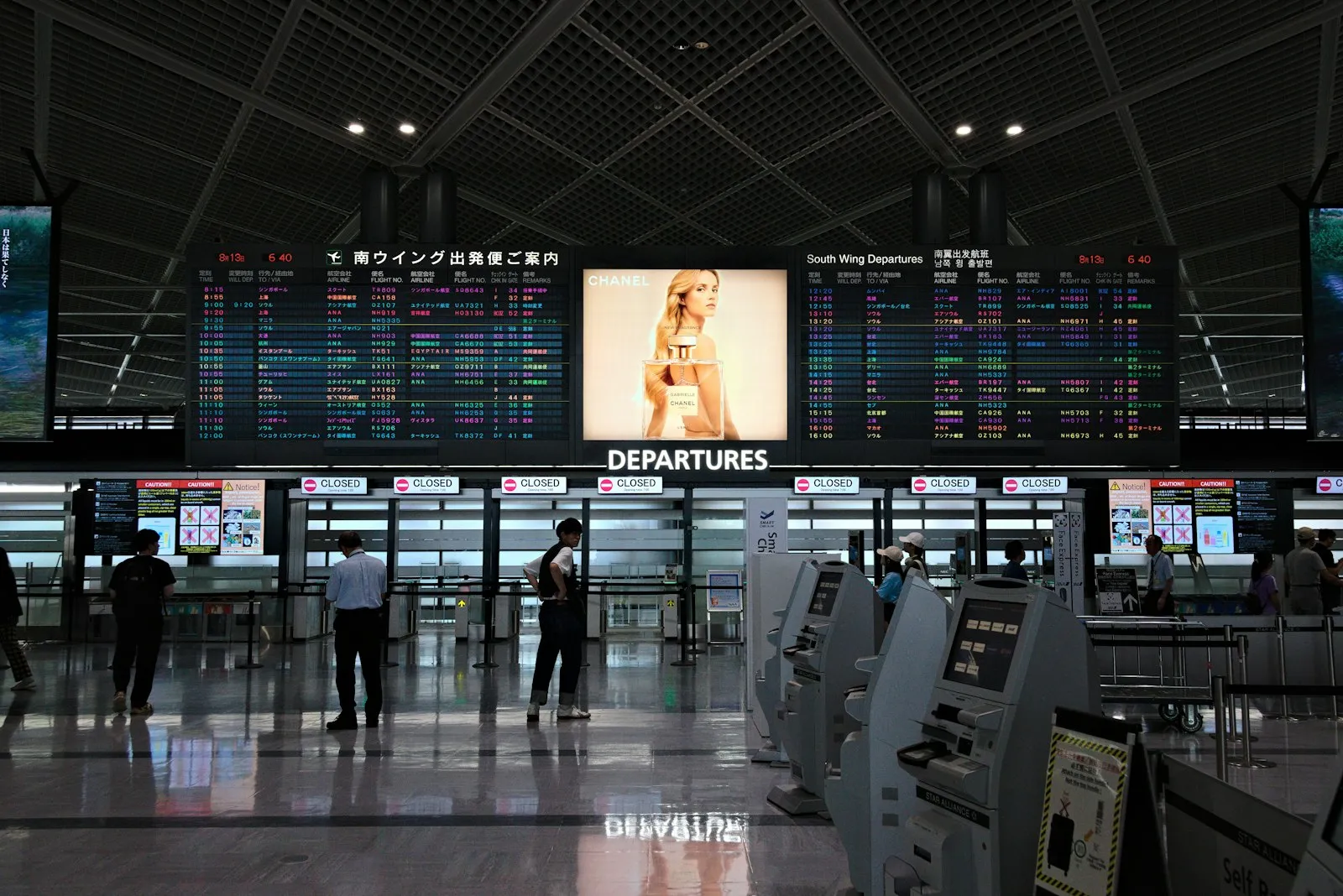
Travelers leaving from another airport or from a seaport should plan around the procedure available at that specific departure point. Even at a supported airport, keep the goods accessible because customs can require inspection.
A working connection also helps with airport procedures and last-minute itinerary changes. If mobile service is not already arranged, our Japan eSIM comparison covers data-only options and their hotspot limits. Downloading or saving key purchase information before heading to the airport is sensible in case the terminal area is busy or connectivity is uneven.
How and when the refund arrives
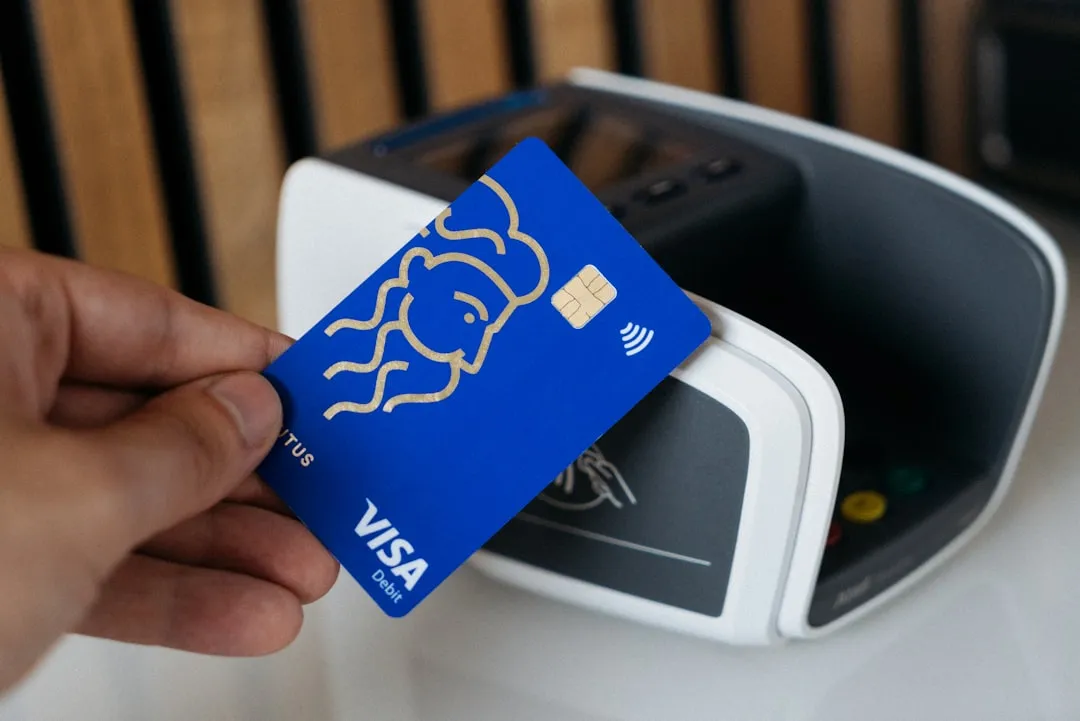
The new law does not set one mandatory refund method or one mandatory processing time.
The National Tax Agency lists several possible methods, including:
- Bank transfer
- Credit card transfer
- App transfer
- Cash refund at the port of departure after customs confirmation
These are examples, not a promise that every store will offer every option. The store operator decides the specific procedure it supports.
That means shoppers should ask four questions before making a large purchase:
- Which refund methods does this store offer?
- Does the refund return to the original payment method?
- Are any store or payment-processing fees deducted?
- What information must be kept after customs confirmation?
Do not rely on a general claim that card refunds take a certain number of days. The official rules do not prescribe a timeline, and different stores, card networks, banks, and app providers may handle the refund differently.
A store may also use a third-party refund operator. Read the retailer’s written terms before paying, especially for a purchase large enough that the tax amount would affect your travel budget after returning home.
What can cause the refund to fail
The main failure points are not obscure technicalities. They are practical mistakes:
- The goods are in checked luggage before customs confirmation. Customs cannot complete the required inspection after the bag has been checked.
- One item on the receipt is missing. The entire receipt may fail confirmation.
- A consumable item was used in Japan. Goods consumed before departure are not being exported and do not qualify for the refund.
- The traveler leaves more than 90 days after purchase. The customs-confirmation deadline has passed.
- The goods are not exported after confirmation. The consumption-tax amount can be collected, and penalties may apply.
- The purchase exceeds what the traveler can personally carry out. The system is for personal export, not commercial shipping or leaving goods behind in Japan.
The last point matters for bulky shopping. Buying several appliances or cases of products may be physically possible at the register but still create an export problem at departure. Shipping goods separately is not the same as carrying them out under the tourist tax-free procedure.
A practical shopping checklist
Before paying
- Confirm that the store participates in the tax-free program under the new system.
- Check that the qualifying purchase reaches the ¥5,000 minimum.
- Ask how the store sends the refund after customs confirmation.
- Ask whether fees may reduce the amount returned.
- Separate goods you plan to use in Japan from goods you plan to export.
During the trip
- Keep the receipt and store instructions.
- Keep every item on a tax-free receipt available.
- Do not consume or open goods that need to be exported.
- Track the 90-day deadline for early-trip purchases.
- Leave enough credit or cash available because the store charges the tax-inclusive price.
On departure day
- Arrive earlier than you would for a trip without tax-free goods.
- Keep your passport, receipts, and goods accessible.
- Complete customs confirmation before airline bag drop.
- Follow any request for physical inspection.
- Save the confirmation information until the refund has arrived.
If souvenir food is the main target, it may be simpler to buy some items near the end of the trip rather than carry them for weeks without opening them. For products that are easier to ship after returning home, our Bokksu, Sakuraco, and TokyoTreat comparison covers subscription boxes rather than Japan’s tourist tax-free system.
FAQ
Is Japan ending tax-free shopping in November 2026? No. Japan is moving from a point-of-sale exemption to a refund method. Eligible tourists will pay the tax-inclusive price at the store, complete customs confirmation when leaving Japan, and receive the tax equivalent from the store afterward.
Does the ¥5,000 minimum disappear under the new system? No. The ¥5,000 minimum remains. What disappears is the distinction between general goods and consumables, along with the ¥500,000 consumables cap, special packaging requirement, and daily-use test.
Can I check my suitcase before completing the tax-free procedure? Not if the suitcase contains the tax-free goods. Complete customs confirmation first. If customs asks to inspect an item after the bag has been checked, the procedure may not be completed.
How long will the refund take? The official rules do not set a single processing time. The store chooses its refund procedure, which may involve a bank, credit card, app, third-party operator, or cash service at the departure point. Check the store’s terms before purchase.
Can I use tax-free cosmetics or food during my trip? Not if you want the refund. The goods must be exported. If an item has been consumed in Japan or cannot be confirmed, the refund may fail, and one missing item can affect the entire receipt.
Can I complete the procedure through Visit Japan Web at any airport? No. The official online alternative is limited to Narita, Haneda, Kansai, Chubu Centrair, Fukuoka, New Chitose, and Naha airports. Travelers departing elsewhere should check the local customs procedure in advance.
What to remember
The November 2026 reform does not remove tax-free shopping. It moves the benefit from the store register to a post-confirmation refund.
For most visitors, four rules do the real work: pay the tax-inclusive price, export the goods within 90 days, complete customs confirmation before checking the relevant bag, and keep every item on a receipt available. The simpler product categories and abolished packaging rule reduce store-side complexity, but they do not remove the export requirement.
For an expensive purchase, the store’s refund terms now matter almost as much as its sticker price. Ask how the money comes back, whether fees apply, and what records to keep. Then build the customs stop into the departure plan rather than treating it as something to handle after bag drop.
Sources: Tax-Free Shopping System Will Be Shifted to the Refund Method, Attention Foreign Tourists: Please Read This Carefully, Japan Tourism Agency Tax-Free Shopping Information (all accessed 10 August 2026).