Disaster Preparedness in Japan: Evacuation Rules, Alert Levels, and What to Stock

Designated emergency evacuation site and designated evacuation shelter sound like two names for the same place. Under Japanese law they are not. One is where you go the moment a disaster is happening or about to happen; the other is where you stay once the immediate danger has passed — and Japan’s Basic Act on Disaster Management designates each one separately, under its own article.
That distinction sits underneath almost everything else a resident needs for earthquake and disaster preparedness in Japan: the alert levels that tell you when to move, the apps the national government names for getting warnings in a language you read, and the ordinary question of how much water and food to keep at home.
Verdict
Japan designates two different things by law — a “designated emergency evacuation site” to run to immediately, decided separately for each type of hazard, and a “designated evacuation shelter” to stay in afterward — and there is no single national list for either. Each is designated by that municipality’s mayor. A 2025 revision to the Basic Act on Disaster Management, in force since 1 July 2025, now requires municipalities to publish their stockpile status once a year, and the Cabinet Office names three apps for residents and travelers alike: Safety tips, VoiceTra, and NHK WORLD-JAPAN.
Safety tips carries a tourist-facing name, but the Japan Tourism Agency’s own English page states the app is built for “both foreign tourists and residents in Japan” — residents shouldn’t skip it on the strength of its branding. The Cabinet Office’s official five-level alert poster is equally direct about timing: evacuate by Alert Level 4 (Evacuation Instruction) rather than waiting for Level 5, which the poster itself notes is rarely issued.
On stockpiling, Tokyo’s own English guidance gives a concrete timeline: aim for at least three days of supplies first, then build toward one week and beyond — because if your home is safe, Japanese disaster planning expects you to stay in it rather than head for a designated evacuation shelter.
What’s the difference between a designated emergency evacuation site and a designated evacuation shelter?
A designated emergency evacuation site is where you go right now, while a disaster is happening or about to happen. A designated evacuation shelter is where you go afterward, to stay for a period once the immediate danger has passed. Japan’s Basic Act on Disaster Management treats these as two separate legal duties.
Article 49-4 requires the mayor of each municipality to designate, separately for each type of hazard set by cabinet order — flood, tsunami, and other named phenomena — facilities meeting government standards, to secure smooth and prompt evacuation when a disaster has occurred or may occur. Article 49-7 requires the same mayor to designate public and other facilities meeting government standards as evacuation shelters, to secure appropriate shelter once a disaster has occurred.
| Designated emergency evacuation site | Designated evacuation shelter | |
|---|---|---|
| What it’s for | Getting to safety immediately, during or just before a disaster | Staying somewhere for a period after a disaster |
| Legal basis | Basic Act on Disaster Management, Article 49-4 | Basic Act on Disaster Management, Article 49-7 |
| How it’s designated | Separately for each hazard type (flood, tsunami, and others set by cabinet order) | By the same mayor, but not split by hazard type |
| Is there a national list | No — each municipality designates and publishes its own | No — each municipality designates and publishes its own |
The hazard-by-hazard part catches people who assume “the shelter” is one fixed answer. A school gymnasium can be right for a flood and wrong for a tsunami, because the two hazards sit on separate lists — so you need to check both lists for your own address, not just remember one building.
The “no national list” part is the same shape of decision Japan makes elsewhere. Household waste rules differ from city to city for the same reason — a national law hands the specific decision to the municipality and doesn’t take it back. Evacuation designations work the same way: the framework is national, the actual list is local.
What changed in Japan’s disaster-management law in 2025?
Japan revised the Basic Act on Disaster Management in 2025, and the most concrete change for residents is that municipalities must now report their own stockpile status once a year — giving anyone the ability to check what their local government has actually prepared.
The revision, Act No. 51 of 2025, was promulgated on 4 June 2025 and took effect on 1 July 2025. The Cabinet Office’s own summary attributes it to lessons from the 2024 Noto Peninsula earthquake, and covers several strands: the national government offering help without waiting for a formal local request, backed by a new “disaster-prevention chief” post; broader relief for disaster victims, including welfare services added to the Disaster Relief Act and a registration system for volunteer support organizations; faster infrastructure recovery; and, most relevant here, the annual public stockpile reporting requirement.
As of this writing, this guide could not find an English version of this specific reform on the Cabinet Office’s site, so the summary above describes the Japanese original rather than translating an official English text.
Which disaster apps does the Japanese government recommend — and are they only for tourists?
The Cabinet Office names three apps for disaster information in Japan: Safety tips, VoiceTra, and NHK WORLD-JAPAN, listed on its own multilingual disaster page with input from the Fire and Disaster Management Agency, the Japan Tourism Agency, and the Japan Meteorological Agency.
Safety tips is the one built around alerts. According to the Japan Tourism Agency, it’s a push-enabled app delivering earthquake early warnings, tsunami warnings, and weather warnings in 15 languages — English, Japanese, Korean, Traditional and Simplified Chinese, Vietnamese, Spanish, Portuguese, Thai, Indonesian, Tagalog, Nepali, Khmer, Burmese, and Mongolian — plus an evacuation flowchart and a set of helpful phrases for talking to people nearby.
The app’s name and branding lean toward “for travelers,” but its own publisher disagrees that residents should skip it. On its official English page, the Japan Tourism Agency states plainly that the app “provides various functions useful for both foreign tourists and residents in Japan” — a direct statement from the agency behind it, not marketing copy to interpret.

Safety tips’ own English text defines what its three warning categories mean:
Earthquake Early Warnings — … it issues advance warnings as quickly as possible … broadcasted on TV, radio, cell phones, and smartphones. When you see or hear an Earthquake Early Warning, you should remain calm and ensure your safety first …, even if you do not feel the vibrations.
Tsunami Warnings — If the JMA expects a tsunami to cause any damage, it issues a warning approximately three minutes after an earthquake. When there is a strong or weak but long-lasting vibration, you should start evacuating. … Do not evaluate the safety situation yourself but evacuate to a more elevated place regardless. Remain in a safe location until the Tsunami Warning is cancelled because tsunamis strike repeatedly over a long period.
Weather Warnings — JMA issues “Advisories” when heavy rain or strong winds may cause damage and “Warnings” when a serious disaster may occur. Also, the Agency issues “Emergency Warnings” to alert the public to the strong possibility of a devastating disaster, one that occurs every several decades.
— Japan Tourism Agency, Safety tips
VoiceTra is the other of the three apps the Cabinet Office names for disaster information. If your Japanese hasn’t caught up yet, our guide to everyday conversational Japanese is a good place to start.
What do Japan’s five alert levels mean, and when should you evacuate?
Japan uses a five-level scale for how urgent a weather or flood situation is, and the government’s own instruction is simple: evacuate at Alert Level 4, and don’t wait for Level 5.
The table below reproduces the wording from the Cabinet Office’s official English-language poster on evacuation information, current since May 2021.
| Alert Level | Name (official wording) | Situation | Issued by |
|---|---|---|---|
| 5 | Emergency Safety Measures | Disaster occurrence / disaster impending | Municipality |
| 4 | Evacuation Instruction | High risk of disaster | Municipality |
| 3 | Evacuation of the Elderly, Etc. | Risk of disaster | Municipality |
| 2 | Heavy Rain, Flood, or Storm Surge Advisories | Weather worsening | Japan Meteorological Agency |
| 1 | Probability of Warnings | Risk of weather worsening | Japan Meteorological Agency |
The poster is blunt about a name change that trips up older sources: “Evacuation Recommendations” no longer exist as a category.
Please evacuate when an “Evacuation Instruction” is issued! “Evacuation Recommendations” will no longer be used. … Note 1: Alert Level 5 is rarely issued due to a number of reasons, such as municipal authorities being unable to accurately grasp the severity of a disaster. … Note 3: An Alert Level 3 indicates that everyone living in the evacuating area should prepare to evacuate if the Alert Level is raised. People who may have difficulty evacuating quickly or who feel that they are already in danger should proceed to evacuate themselves.
— Cabinet Office, “Poster about Evacuation Information (Revised Version)” (front page)
Evacuation Instruction at Level 4 is what replaced Evacuation Recommendations, and it’s the one to act on — the poster is direct that Alert Level 5 is rarely issued, which is exactly why the guidance is to move at Level 4 rather than wait for confirmation at Level 5. People who may have difficulty evacuating quickly, or who already feel at risk, should go ahead and evacuate at Level 3; everyone else should be preparing to leave if the level rises further.
If you have to evacuate, what are your actual options?
Evacuating in Japan doesn’t automatically mean walking to a school gymnasium. The Cabinet Office’s own evacuation poster lays out four options, and picking the right one depends on your specific building and location.
Evacuation is more than simply moving to a community center or elementary school/junior high school. The goal of evacuation is to get somewhere safe. There are four courses of action you can take.
- Evacuate to an evacuation site designated by your local authority.
- Evacuate to a friend or relative’s home in a safe area.
- Evacuate to a hotel, inn, etc. in a safe area (normal accommodation charges will apply).
- Shelter indoors — check the Hazard Map to see whether your home meets the “3 conditions” to shelter indoors: your home is not located in an assumed flooding area where houses are likely to collapse; your home is higher up than the flooding level; and you can hold out until the water recedes and have sufficient supplies of water and food.
— Cabinet Office, “Poster about Evacuation Information (Revised Version)” (back page)
The same poster adds two more notes: don’t shelter indoors if there’s any risk of a landslide — evacuate immediately regardless of the flood conditions — and going outside during torrential rain is dangerous, even in a car.
Why does Tokyo tell residents to stockpile at home, and how much?
Tokyo’s official English stockpiling guidance gives a specific answer: keep supplies for at least three days on hand first, then build toward a week or more — because if your home is safe, you’re expected to stay in it rather than move to a shelter.
Lifelines may be damaged, and electricity, gas, water, and sewage could be unavailable for some time. Roads may be blocked by debris, and distribution could stop for several days. If your home is safe, you are expected to remain and live at home under these conditions for the time being.
— Tokyo Metropolitan Government, “Why Stockpiling Matters” (Tokyo Stockpiling Navi)
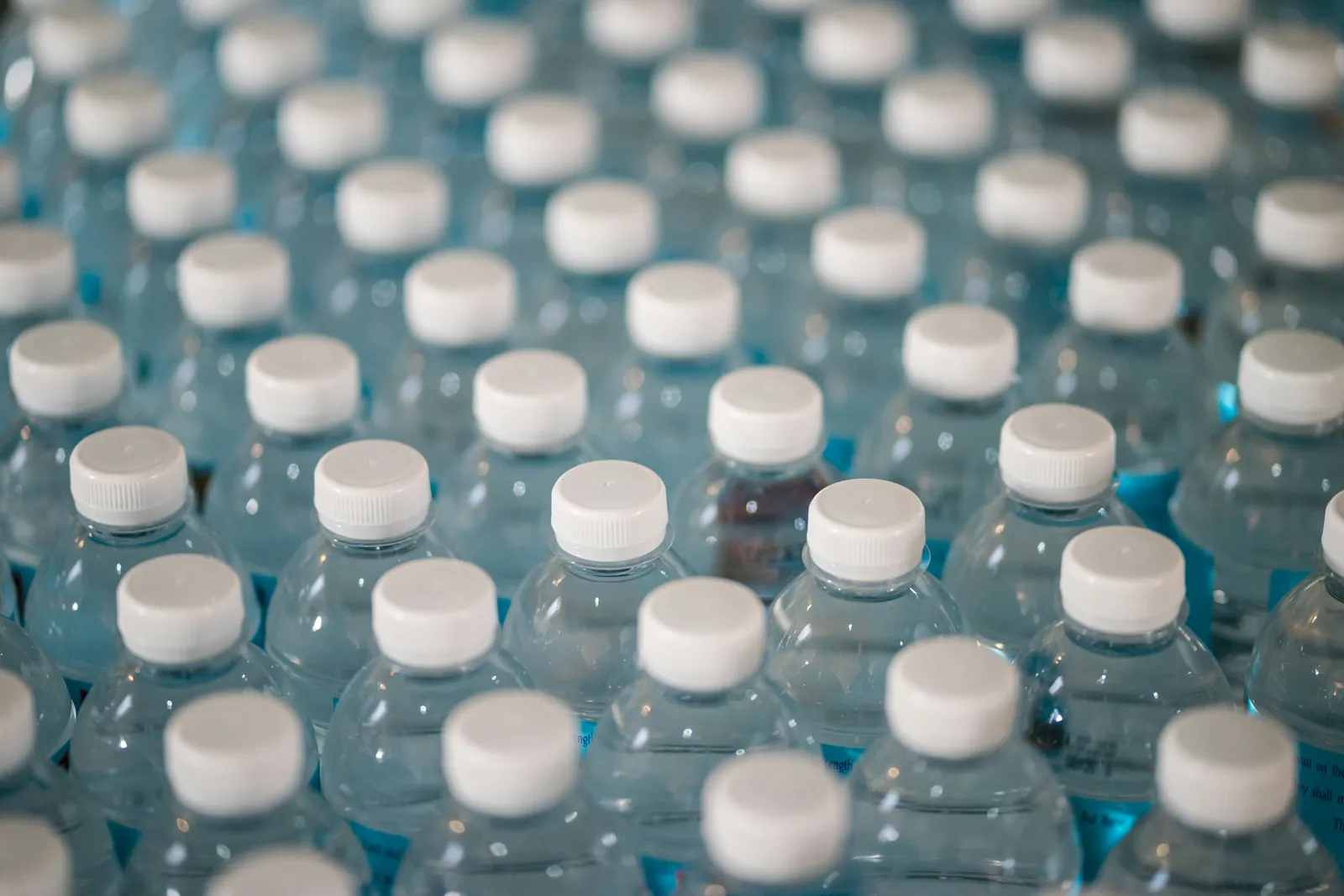
As a key point of stockpiling, Tokyo recommends practicing “everyday stockpiling” … always keeping a little extra of the food and daily necessities you normally use … How much should you stockpile? Considering damage to lifelines and delays in supply, aim for at least three days first. Even if distribution gradually recovers, it may take time before needed items become readily available, so plan stockpiles with one week and beyond in mind.
— Tokyo Metropolitan Government, “Why Stockpiling Matters” (Tokyo Stockpiling Navi)
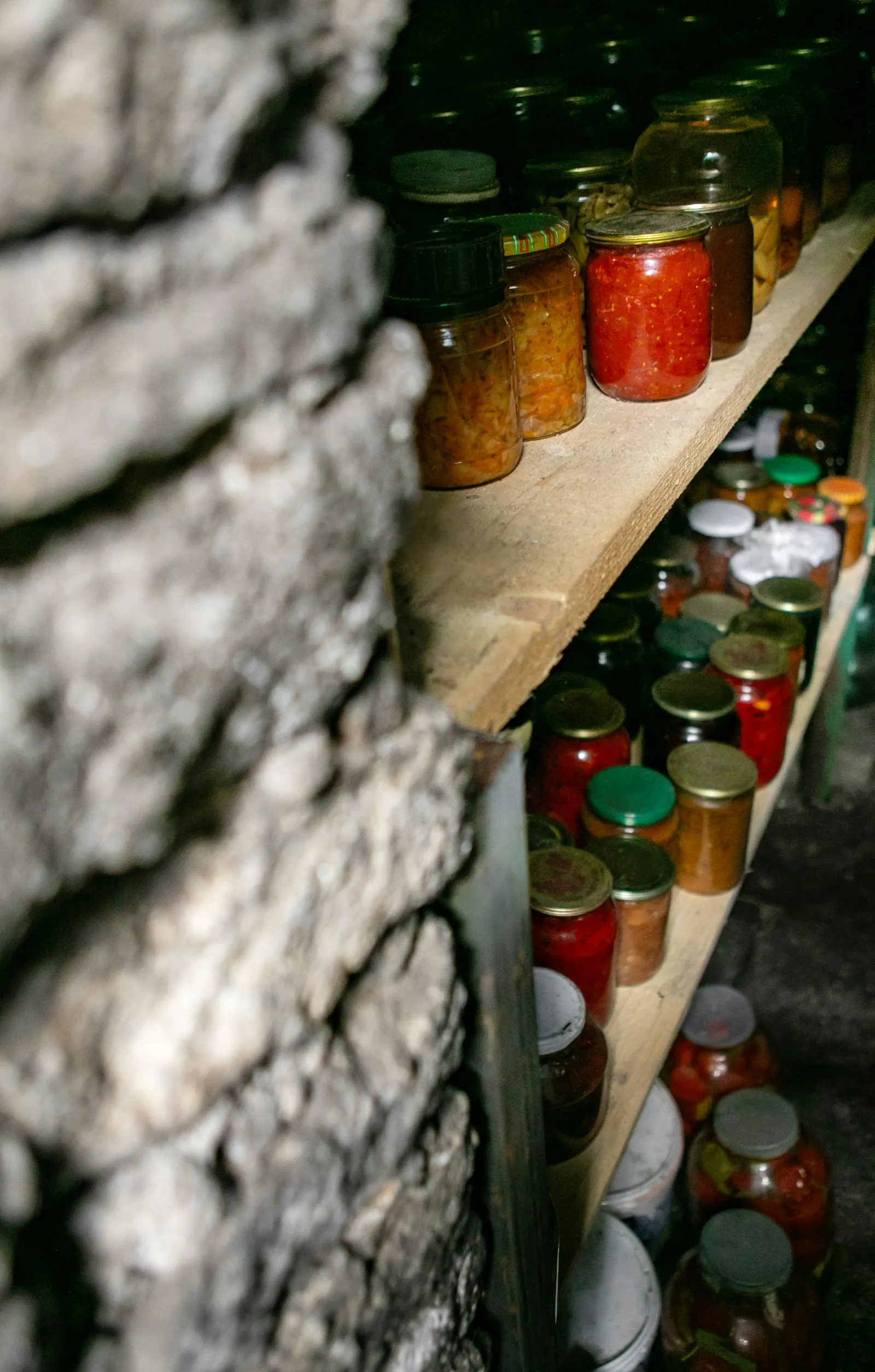
Tokyo’s guidance adds one habit that’s easy to skip: regularly check that flashlights, rechargeable radios, and cassette-type portable stoves actually still work. To turn the general advice into a household-specific list, the Tokyo Stockpiling Navi — an English-language tool from the Tokyo Metropolitan Government — asks three questions and returns a suggested list and quantity for your family.

Why does my gas shut off after an earthquake, and how do I turn it back on?
If your gas stops working right after an earthquake, that’s very likely a safety device doing its job, not a fault. Japanese gas meters carry a device that cuts the supply automatically after an earthquake, and getting it flowing again is normally something the resident does themselves.
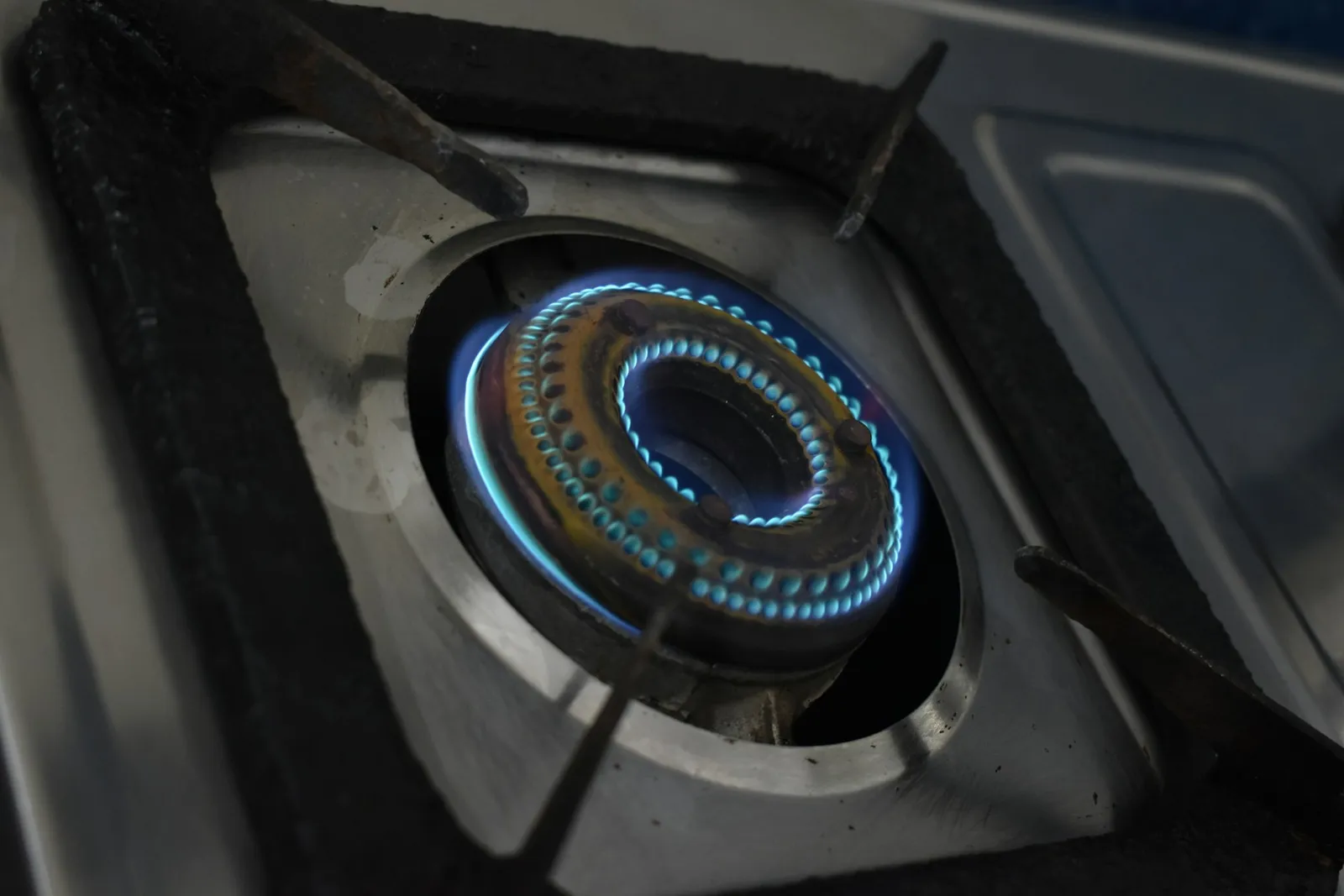
The exact reset procedure differs by meter and by gas company, and this guide isn’t going to guess at button sequences or wait times you’d be relying on in a real emergency. Tokyo Gas keeps a dedicated page for this in its English customer-support hub — check your own provider’s English support pages for the steps that match your meter before you need them, not after.
How do you find your own designated evacuation site and shelter?
There’s no single list to search, because each municipality designates its own sites, separately by hazard type. The practical starting point is Safety tips’ own evacuation flowchart, plus Japan’s national hazard-mapping tools, which do have English-language modes even if this guide can’t promise every screen inside them reads perfectly in translation.
The national Hazard Map Portal Site, run by the Geospatial Information Authority, publishes an English-language URL (?lang=en) for its map interface. Two more government tools are worth bookmarking: the Japan Meteorological Agency’s multilingual portal, covering weather, earthquake, tsunami, and volcano information in 14 languages, and MLIT’s English-language Disaster Prevention Portal, which organizes both everyday preparedness information and live disaster-time information — damage, weather, traffic, lifelines, and victim-support status — in one place.
None of these replace checking your own municipality’s published list for your exact address — that’s the one piece of information only your local government’s map can give you. Getting the basics of living in Japan sorted early — including a Japanese phone number as a resident — is worth doing well before a disaster, not in the middle of one.
FAQ
What’s the actual difference between an evacuation site and an evacuation shelter in Japan?
A designated emergency evacuation site is where you go immediately during or just before a disaster, designated separately for each hazard type — the right site for a flood may not be right for a tsunami. A designated evacuation shelter is a public facility you stay in afterward. Both are designated by your municipality, and there’s no single national list for either.
Is Safety tips really meant for residents, or only for tourists visiting Japan?
Its branding leans toward travelers, but the Japan Tourism Agency’s own English page states the app is useful for “both foreign tourists and residents in Japan.” It pushes earthquake, tsunami, and weather alerts in 15 languages and includes an evacuation flowchart — built for anyone in Japan, not only short-term visitors.
How much food and water should I keep at home in Japan?
Tokyo’s official English stockpiling guidance recommends at least three days of supplies first, then building toward one week and beyond. The reasoning: lifelines like electricity, gas, water, and sewage may be disrupted, and deliveries can stop for several days after a serious earthquake, so a safe home is expected to shelter you rather than send you elsewhere.
What do I do if my gas won’t turn back on after an earthquake?
A gas shutoff right after an earthquake is usually a safety device in the meter doing its job, not damage to your line. Resetting it is normally something a resident can do themselves, but the steps differ by meter and provider — check your own gas company’s English support pages, such as Tokyo Gas’s meter-resetting page, rather than guessing.
Are Japan’s five alert levels the same everywhere in the country?
The five-level naming is a national standard set by the Cabinet Office, so “Evacuation Instruction” means the same thing at Level 4 wherever you are. What differs is who issues it: Levels 1 and 2 come from the Japan Meteorological Agency, while Levels 3 through 5 are issued by your own municipality, so the same storm can trigger different levels in neighboring cities.
What to remember
The single fact worth carrying out of this guide is that Japan splits “where to go right now” from “where to stay afterward” by law, and neither is a single national answer — both are designated by your own municipality’s mayor, and the emergency site is decided separately for each hazard. The alert levels, the apps, and the stockpiling targets all exist to help you act on that fact in time.
None of the government sources behind this guide expect you to memorize all of it in advance. Safety tips’ evacuation flowchart, the Hazard Map Portal Site, and Tokyo’s stockpiling tool all exist so a resident can look up the answer for their own address rather than guess. The one thing worth doing before you need any of it is finding your own municipality’s designated sites once, while it’s calm — not during an Alert Level 4.
Everything above reflects the Basic Act on Disaster Management, the Cabinet Office, the Japan Tourism Agency, the Japan Meteorological Agency, MLIT, and the Tokyo Metropolitan Government, as checked 13–15 August 2026. Government guidance is updated periodically, so confirm current specifics on the official pages linked below before you rely on them.
Sources: Basic Act on Disaster Management, Act No. 223 of 1961, Articles 49-4 and 49-7 (e-Gov, Japanese), Cabinet Office: overview of the 2025 revision, Act No. 51 of 2025 (Japanese), Cabinet Office: Helpful Apps and Websites in the Event of Disaster (Multilingual), Japan Tourism Agency: The App “Safety tips”, Japan Tourism Agency: Safety tips site content, Cabinet Office: Evacuation Information (Revised Version) and official poster, Japan Meteorological Agency: multilingual portal, MLIT: Disaster Prevention Portal (English), Geospatial Information Authority: Hazard Map Portal Site (English mode), Tokyo Metropolitan Government: Tokyo Stockpiling Navi, Tokyo Metropolitan Government: Why Stockpiling Matters, Tokyo Gas: English customer-support hub (all accessed 13–15 August 2026).