Garbage Rules in Japan: Why Every City Is Different

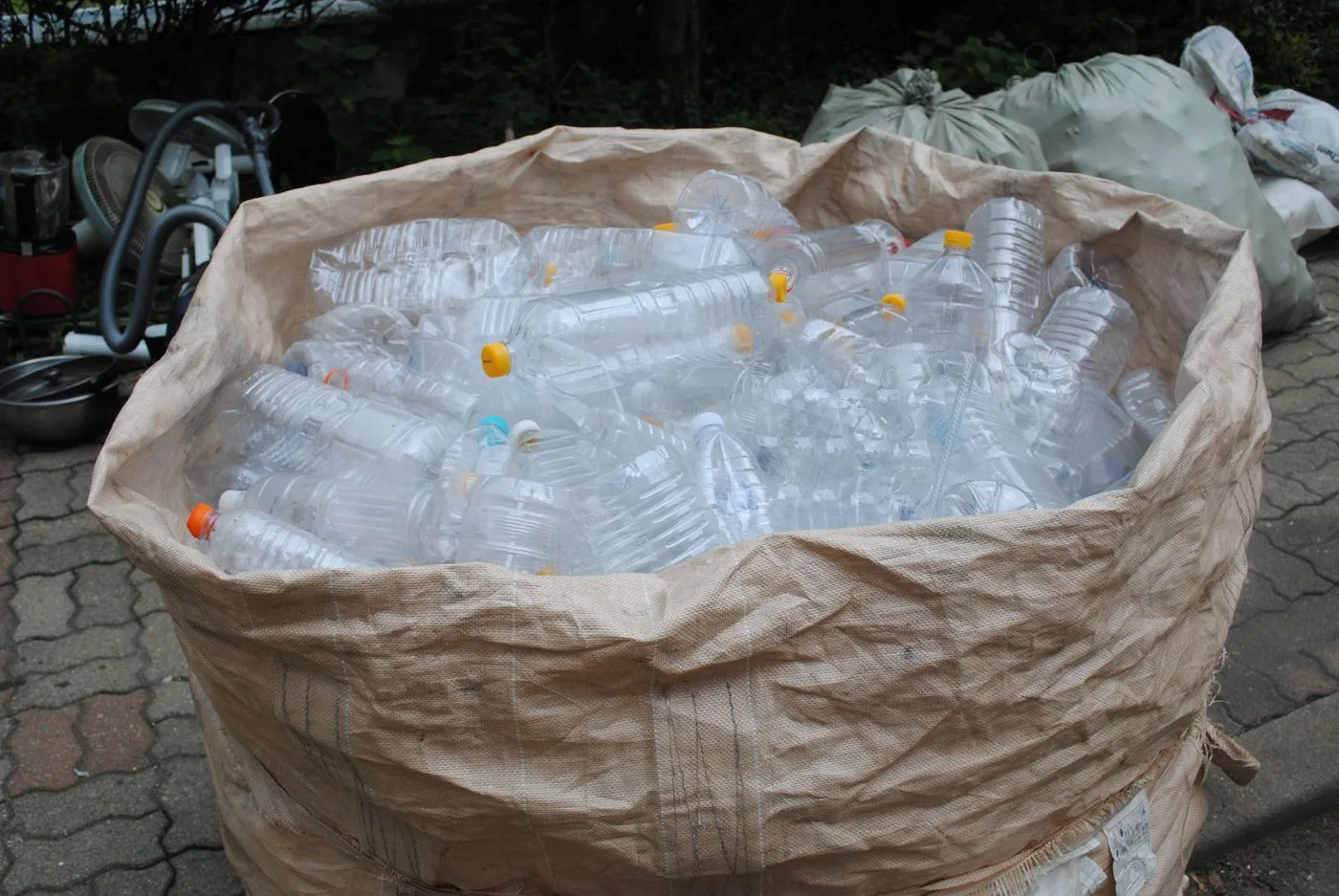
Ask five people in Japan how to sort your garbage and you can get five answers that are all correct. Household waste — ippan haikibutsu, municipal waste — is handled by the municipality you live in, and the categories, the bags, the morning deadline and the price of throwing away a chair are all set locally. That is not untidiness. It is what the statute requires.
Verdict
Japan has no national garbage rule, and the reason sits in the statute: the Waste Management and Public Cleansing Act makes every municipality adopt its own waste management plan, and that plan is where the separation categories are written. So the first thing to do after moving is not to learn “Japanese recycling” in the abstract but to find the guide published by your own city, ward or town — the larger ones publish one in English.
What carries across the country is the shape of the system, not the detail. Waste is separated into the categories your municipality defines and put out on collection day by a deadline in the morning; large items go through an apply-first, buy-a-sticker, write-your-number routine; and four categories of home appliance are pulled out of the municipal system entirely.
What changes between cities is nearly everything else: whether you must buy designated bags, whether the deadline is 8:00 or 8:30, what an item costs to discard, and whether the application desk works in any language but Japanese. Get the sorting wrong and the usual consequence is a sticker rather than a penalty — Osaka City states that it puts a warning sticker on incorrectly separated waste and leaves it uncollected.
Why Japan has no national garbage rule
Because the law hands the job to municipalities and never takes it back. The Waste Management and Public Cleansing Act (Act No. 137 of 1970) is the statute behind everything below, and its Article 6 opens by requiring each municipality to adopt a plan for handling the municipal waste generated inside its own area.
The clause that matters to a resident is one item down that list. Article 6(2)(iii) says the plan must set out the types of waste to be collected separately and the categories of that separation. Sorting categories are therefore not a national schedule that cities implement — they are part of a local plan each city writes for itself.
| Provision | What it does |
|---|---|
| Article 6(1) | Requires every municipality to adopt a municipal waste management plan for its area |
| Article 6(2)(iii) | Puts the types of waste collected separately, and the separation categories, inside that plan |
| Article 6-2(1) | Has the municipality collect, transport and dispose of municipal waste in accordance with its plan |
| Article 6-2(4) | Requires occupiers of land or buildings to cooperate by separating and storing waste properly in accordance with that plan |
| Article 16 | States that no person may discard waste indiscriminately |
Article 6-2(4) is the one that lands on you personally. It does not instruct residents to sort waste in general; it tells them to cooperate with their municipality’s collection by separating and storing waste in accordance with that plan. The content of the duty is set by your address — two apartments on opposite sides of a city boundary can owe different obligations while both residents follow the same national law.
What happens if you get the sorting wrong
In the ordinary case, nothing legal happens — the bag stays where you left it, with a sticker on it. Osaka City writes it plainly in its English leaflet: if waste separation rules are not followed, the city will put a warning sticker on the waste and leave it uncollected.
That is the failure mode worth planning around: not a penalty, but a bag you have to carry back upstairs and sort again, in front of neighbors who saw the sticker go on.
The Act does carry a criminal provision, and it is worth knowing what it covers. Article 16 states that no person may discard waste indiscriminately, and Article 25 attaches a penalty of up to five years’ imprisonment or a fine of up to ten million yen, or both. That is the illegal dumping rule. Where the line falls between a sorting mistake and dumping is not something this article can settle — but English write-ups that treat a wrongly sorted bag as a criminal matter are going past what the statute says.
Three cities, three different sets of rules
Take three municipalities that all publish an English guide — Shinjuku City in Tokyo, Osaka City, and Sendai — and the same household task has three different answers. None is a special case; each follows its own plan.
| Shinjuku City (Tokyo) | Osaka City | Sendai City | |
|---|---|---|---|
| Bags | No designated bag in the English guide | No designated bag, but bags must be transparent or semi-transparent. Bags whose contents cannot be seen, and cardboard boxes and paper bags, are not collected | Designated prepaid bags must be used, and carrier bags from convenience stores and supermarkets cannot be used. Sold in packs of ten |
| Deadline | By 8:00 am on collection day | A collection window of roughly two hours for each district, which you check on the city’s map or app | By 8:30 on the morning of collection day |
| Amount per collection | No figure in the English guide | No figure in the English guide | 45 liters in volume or 10 kg in weight, roughly one large designated prepaid bag |
Sendai’s column holds the difference most likely to cost you money on day one: the bag itself is the fee. Where Shinjuku and Osaka let you use ordinary bags, Sendai requires designated prepaid bags and rules out the carrier bags handed out at convenience stores and supermarkets. Osaka sells you no bag, but rules out anything you cannot see into — no cardboard boxes, no paper bags.
Do not read the Shinjuku column as “the Tokyo rule”. Tokyo’s 23 wards are 23 separate municipalities, each with its own waste management plan. Shinjuku’s 8:00 am is Shinjuku’s.
How to find the rules for your own city
Start from your municipality’s own website rather than any general guide to Japan, this one included. The three cities above show how much the answers move; they are not a menu.
- Look for the multilingual section of your city’s site. Shinjuku keeps its foreign-language pages on a separate domain and files garbage disposal under daily life.
- Search the city’s name with an English phrase from these guides, such as “how to separate and dispose” or “guide for sorting recyclables and waste” — municipal PDFs are titled consistently enough to surface even when the rest of the site is Japanese.
- Expect an answer specific to your address, not to the city as a whole. Osaka, for one, publishes its collection times by district on a map and an app, so the page you need is the one for where you live.
The address logic runs through other paperwork too. The certified copy of your resident record that Japan’s tightened driver’s license conversion rules have required since October 2025 comes from the same municipal office that decides which bag your plastics go in.
Sodai gomi: how large items actually work
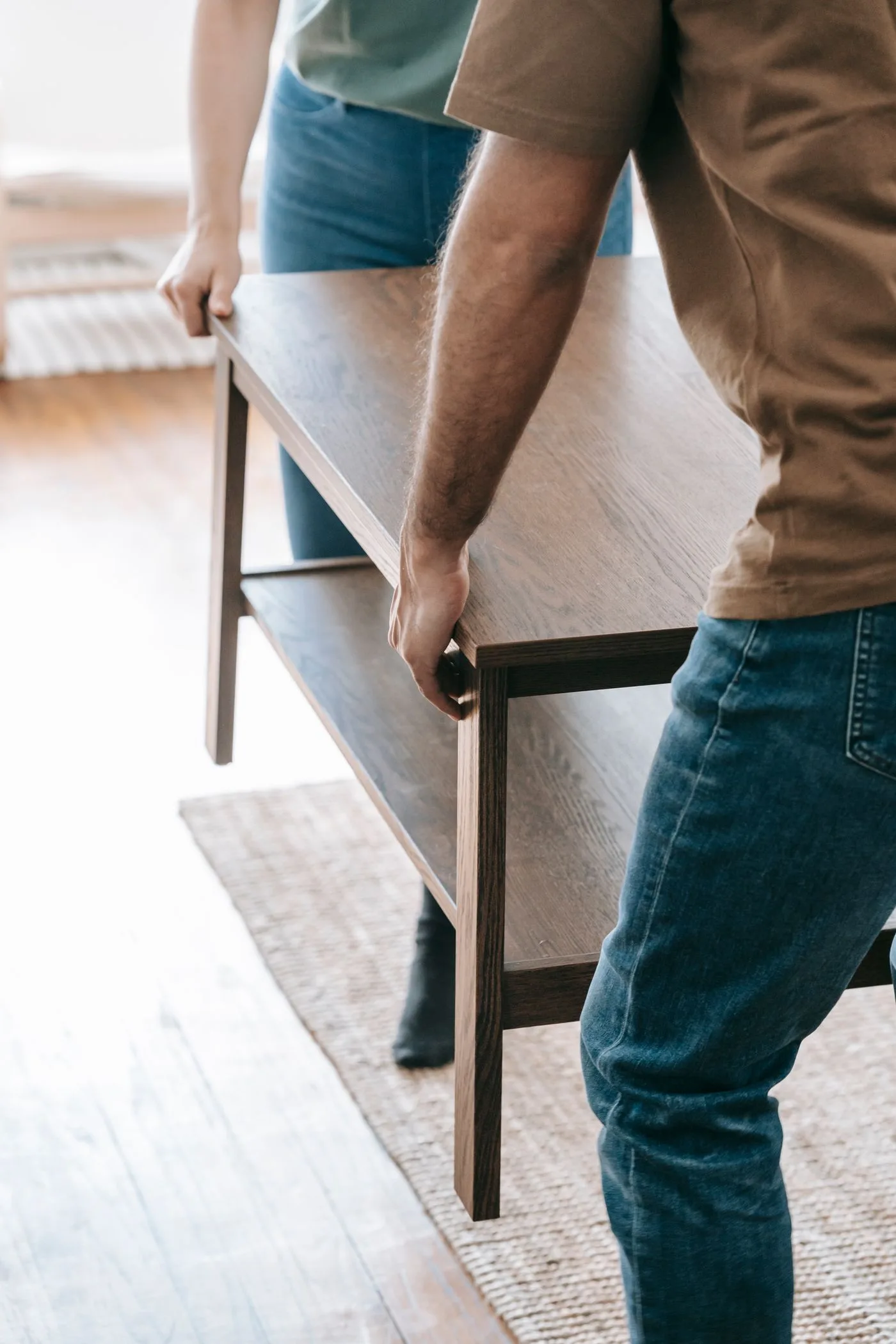
Large items — sodai gomi — never go out with the ordinary bags. You apply first, buy a prepaid sticker worth the amount you were quoted, write your reference number on it, and put the item out on the date you were given. That three-step shape holds across the cities examined here; the numbers and the desk change.
- Apply before you do anything else. Shinjuku asks you to confirm the item’s size, weight, quantity and material first, then apply by phone or through its online desk, which is open 24 hours a day. Sendai takes applications by phone on weekdays from 9:00 to 17:00, or online.
- Buy the sticker for the amount you were told. Shinjuku sells two denominations of disposal ticket, 200 yen and 300 yen, combined to match the fee for your item, at convenience stores, supermarkets and shops displaying the paid-waste-disposal sign. Sendai’s version is a prepaid label bought the same way, and its English guide warns that it cannot be refunded or reissued.
- Write the number on the sticker and attach it where it can be seen. Shinjuku asks for the collection date, the reservation number or your name, and wants the item out before 8:00 am. Sendai is blunter: bulky waste is not collected without a label, and not collected with one unless your application number is written on it.
“How big is big” is local too. Shinjuku treats anything measuring more than 30 cm on any side as large-sized waste, and adds that an item stays in that category even if you dismantle it. Sendai’s threshold is a longest dimension of about 30 cm or more, with an upper limit of 100 kg. Even the English name differs — Shinjuku says Large Sized Waste, Sendai says Bulky Waste — so search using the word your own city uses. The Osaka leaflet cited here covers household separation only; its large-item procedure is published separately.
Check what language the application desk works in before you own a sofa you cannot get rid of. Sendai’s English guide states that both its phone line and its online application are in Japanese only, which turns a five-minute task into a phone call you may need help with. If your only line is a data-only SIM, that call is a problem in itself — our guide to when you actually need a Japanese phone number rather than data alone covers which lines can dial ordinary domestic numbers.
The appliances you cannot put out at all
Four categories of home appliance sit outside the municipal system entirely: household air conditioners, televisions, electric refrigerators and freezers, and electric washing machines and clothes dryers. They cannot be booked as large items.
The reason is a separate statute. Under the Home Appliance Recycling Act (Act No. 97 of 1998, in force since April 2001), the Ministry of the Environment explains that retailers must take these four categories back and manufacturers must recycle them, while the consumer pays both a collection-and-transport fee and a recycling fee. Shinjuku’s English guide says the same from the resident’s side: these items are not classified as large-sized waste, and you book collection with a retail outlet or an appliance reception centre instead.
| Your situation | What to do |
|---|---|
| Replacing the appliance | Arrange collection with the shop selling you the new one |
| Discarding it only | Ask the shop you originally bought it from; if that shop no longer exists, Shinjuku directs residents to the Home Electric Appliance Reception Center on 0570-08-7200, weekdays 9:00 to 17:00 |
| Taking it to a collection site yourself | Shinjuku lists the Home Appliance Recycling Ticket Center (0120-319-640) for this route |
Computers follow a third route: manufacturers collect and recycle them under resource-recycling legislation, and Shinjuku points owners of machines with no traceable maker — self-built, or from a company that has closed — to the PC3R Promotion Association. Smaller electronics fall under the small home appliance recycling scheme, where certified operators collect by courier; Shinjuku names ReNet Japan as an example.
One warning matters more than the rest, because getting it wrong is dangerous. Small rechargeable batteries — from laptops, digital cameras, electric bicycles and power banks — go to the collection boxes run by the JBRC scheme at cooperating shops, and the guidance is that power banks are collected whole. Do not take them apart to make them fit a category.
If you are leaving Japan and weighing shipping an appliance home against paying to dispose of it, the math is not always in favour of shipping: our note on running a Japanese 100V rice cooker on US power explains what the voltage difference costs you.
FAQ
Is there one national set of garbage rules in Japan? No. The Waste Management and Public Cleansing Act requires each municipality to adopt its own waste management plan, and Article 6(2)(iii) places the separation categories inside that plan. Residents cooperate with the collection run under the plan for the area where they live, so the rule changes with your address rather than with the country.
What happens if I put my garbage out on the wrong day or in the wrong bag? The outcome cities publish themselves is that the waste is not collected. Osaka City states that it puts a warning sticker on waste that does not follow the separation rules and leaves it where it is. The Act separately prohibits discarding waste indiscriminately under Article 16, with a penalty of up to five years’ imprisonment or a fine of up to ten million yen; that provision is about dumping, and this article makes no claim about how it would apply to a sorting mistake.
How do I throw away furniture in Japan? Apply to your municipality first, by phone or online, with the item’s size and material to hand. Buy a prepaid disposal ticket or label for the amount you are quoted, sold at convenience stores and supermarkets displaying the relevant sign. Then write the application or reservation number on it, attach it where it is visible, and put the item out on the date you were given. Items put out without an application, or without the number written on the sticker, are not collected.
Can I put a refrigerator or a television out as bulky waste? No. Air conditioners, televisions, refrigerators and freezers, and washing machines and clothes dryers are covered by the Home Appliance Recycling Act, and Shinjuku’s guide states that they are not classified as large-sized waste. You arrange collection through a retailer or an appliance reception centre and pay a recycling fee plus a collection-and-transport fee.
What to remember
The useful mental model is two layers. The bottom layer is national and stable: one statute, a duty to cooperate with your municipality’s plan, a separate prohibition on dumping, and product laws that pull appliances, computers and batteries out of the municipal stream. The top layer changes at the city boundary: categories, bags, deadlines, thresholds, prices, and the language of the application desk.
Most newcomer mistakes come from treating something in the top layer as if it belonged to the bottom one — carrying an 8:00 deadline over from a previous address, or assuming a sofa can go out the way it did in another city. The fix is small: find your own municipality’s guide, note the collection days for your district, and save the bulky-waste contact before you need it.
Everything above reflects the Waste Management and Public Cleansing Act, the Ministry of the Environment, and the English guides of Shinjuku City, Osaka City and Sendai City as of 12 August 2026. Municipal guides are reissued regularly — the three used here carry dates in 2025 and 2026 — so check the current edition for your own city.
Sources: Waste Management and Public Cleansing Act, Act No. 137 of 1970 (e-Gov, Japanese), Shinjuku City: From Households, How to Separate and Dispose of Recyclables/Waste (PDF, English), Shinjuku City foreign-language pages on garbage disposal, Osaka City: Be sure to accurately separate household waste by type (PDF, English), Sendai City: Guide for Sorting Recyclables and Waste, and How to Put Them Out (PDF, English), Ministry of the Environment: outline of the Home Appliance Recycling Act (Japanese), Ministry of the Environment: small home appliance recycling (Japanese), Home Appliance Recycling Ticket Center, JBRC rechargeable battery collection site search (all accessed 12 August 2026).