Buying Japanese Knives in Japan: Shops, Tax-Free, Packing

This article contains affiliate links. If you buy through them, we may earn a commission at no extra cost to you. Ad revenue can influence which products we cover, but the comparison criteria and verdicts are decided independently from official specs and published sources. Read our full disclosure.
Buying a Japanese kitchen knife in Japan is manageable if you plan for three things before entering a shop: where to shop, which tax-free rules apply on your purchase date, and how the knife will travel in checked baggage. Kappabashi gives you the broadest kitchenware-focused shopping area in Tokyo, while Tsukiji is easier to combine with a food-market visit. Either way, a sharp kitchen knife should not go in carry-on baggage under TSA rules, and it must be declared when you return to the United States.
Verdict
Choosing the knife is the easy part; three logistics decisions do the real work.
Shop Kappabashi on a weekday or Saturday — the shopping street association says about 70% of stores close on Sundays and national holidays. Tsukiji Outer Market is the alternative when knives are one stop in a market day; its public buyer hours run 9:00 a.m. to 2:00 p.m.
Check the purchase date against Japan’s tax-free rules — sales through October 31, 2026 use the current system, sales from November 1, 2026 the refund method. Do not assume a given knife store participates, and do not treat international shipping as a workaround: the separate-shipment route ended on March 31, 2025.
Plan the flight home — TSA lists knives as prohibited in carry-on and allowed in checked bags, sheathed or securely wrapped, and CBP requires you to declare anything acquired abroad whether or not the $800 exemption applies.
This is a logistics guide, not a first-hand store review. If you still need to decide between steel types, handles, and blade shapes, start with the Japanese chef knife buyer’s guide before planning the shopping stop.
Where to buy Japanese knives in Tokyo
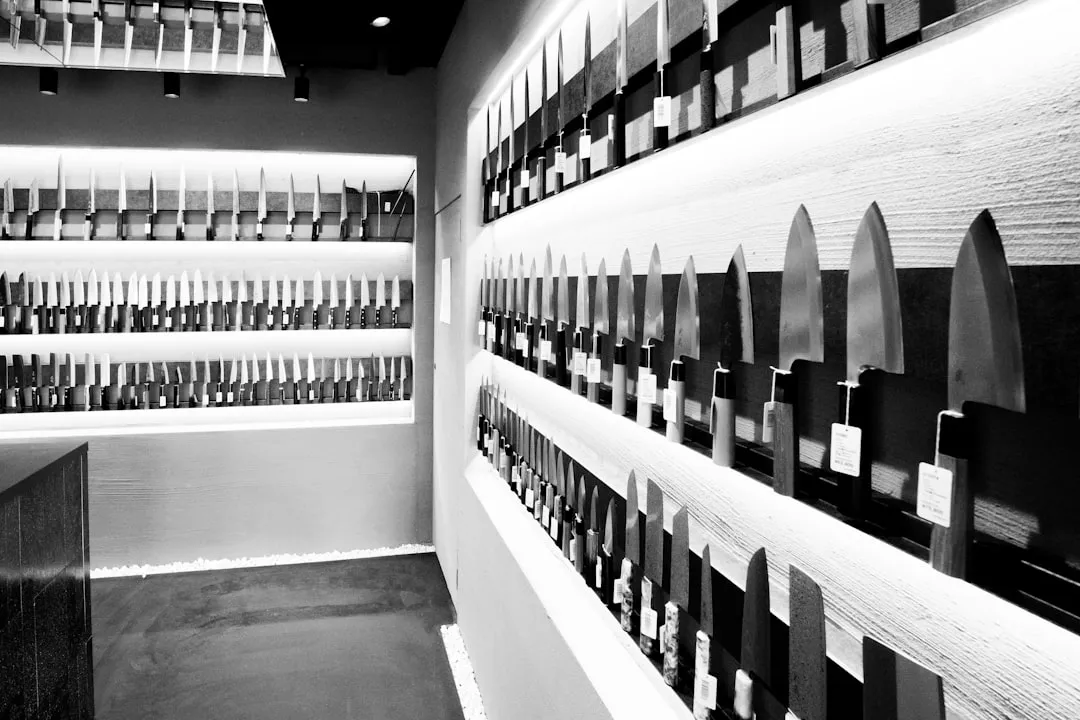
Kappabashi: the practical first stop for comparison shopping
Kappabashi, between Asakusa and Ueno, is Tokyo’s best-known kitchenware shopping district. The official shopping street association says that nearly all stores sell to individual customers and that members of the public are welcome. That matters because the area also serves restaurants and other professional buyers; you do not need a trade account to shop there.

The main scheduling trap is Sunday. According to the association’s official Kappabashi FAQ, about 70% of stores close on Sundays and national holidays, although each business sets its own schedule. A Monday-through-Saturday visit gives you a better chance of comparing several stores instead of finding most shutters down.
The association’s access guide lists Tawaramachi Station on the Ginza Line and the Tsukuba Express Asakusa Station as five-minute walks. Iniriya Station is listed as six minutes away, while the Toei Asakusa Line and Tobu Asakusa Station are farther at about 13 minutes. Download the association’s map before going; store signs and product labels may not all be in English. Having a working connection also helps with steel names and directions, so it is worth setting up a Japan eSIM before the flight.
One useful example of the exceptions to the Sunday pattern is Kamata Hakensha, whose English site lists 10:00 a.m. to 6:00 p.m. with no fixed holidays. Its engraving page says hand-done personalized engraving is free on knives purchased there and normally takes about three minutes per knife, although it may take longer when the store is busy. The standard service is generally limited to kanji or katakana, with a small number of Latin-letter initials sometimes possible by stamp.
That is a verified service detail, not a ranking. Store inventory, the maker represented, sharpening style, and how a handle feels in your hand are more important than choosing a shop from a generic “top stores” list.
Tsukiji Outer Market: convenient when knives are one part of the day
Tsukiji Outer Market’s official English directory includes a dedicated Kitchenware > Knives category in its shop list. It is a practical alternative when the itinerary already includes the market, but its hours are earlier and more variable than many visitors expect.

The market’s official calendar labels 6:00 to 9:00 a.m. as professional buyers’ hours and 9:00 a.m. to 2:00 p.m. as public buyers’ hours. After 2:00 p.m., opening is flexible. The same page warns that the market calendar does not guarantee the schedule of every individual shop, so check the listing for the specific knife store before traveling across Tokyo.
Tsukiji also publishes unusually direct visitor guidance: professional buyers have priority until 9:00 a.m., bargaining is not customary, visitors should ask before photographing a store, and large luggage should be left in a coin locker. Those rules are summarized in the market’s official visitor guide.
| Area | Works well for | Timing to know | Planning note |
|---|---|---|---|
| Kappabashi | Comparing multiple kitchenware and knife stores | About 70% of stores close Sundays and holidays | Go on a weekday or Saturday and download the official map |
| Tsukiji Outer Market | Combining knife shopping with a market visit | Public buyer hours are listed as 9:00 a.m.–2:00 p.m. | Check each store's schedule; large luggage is discouraged |
What to decide before entering a store
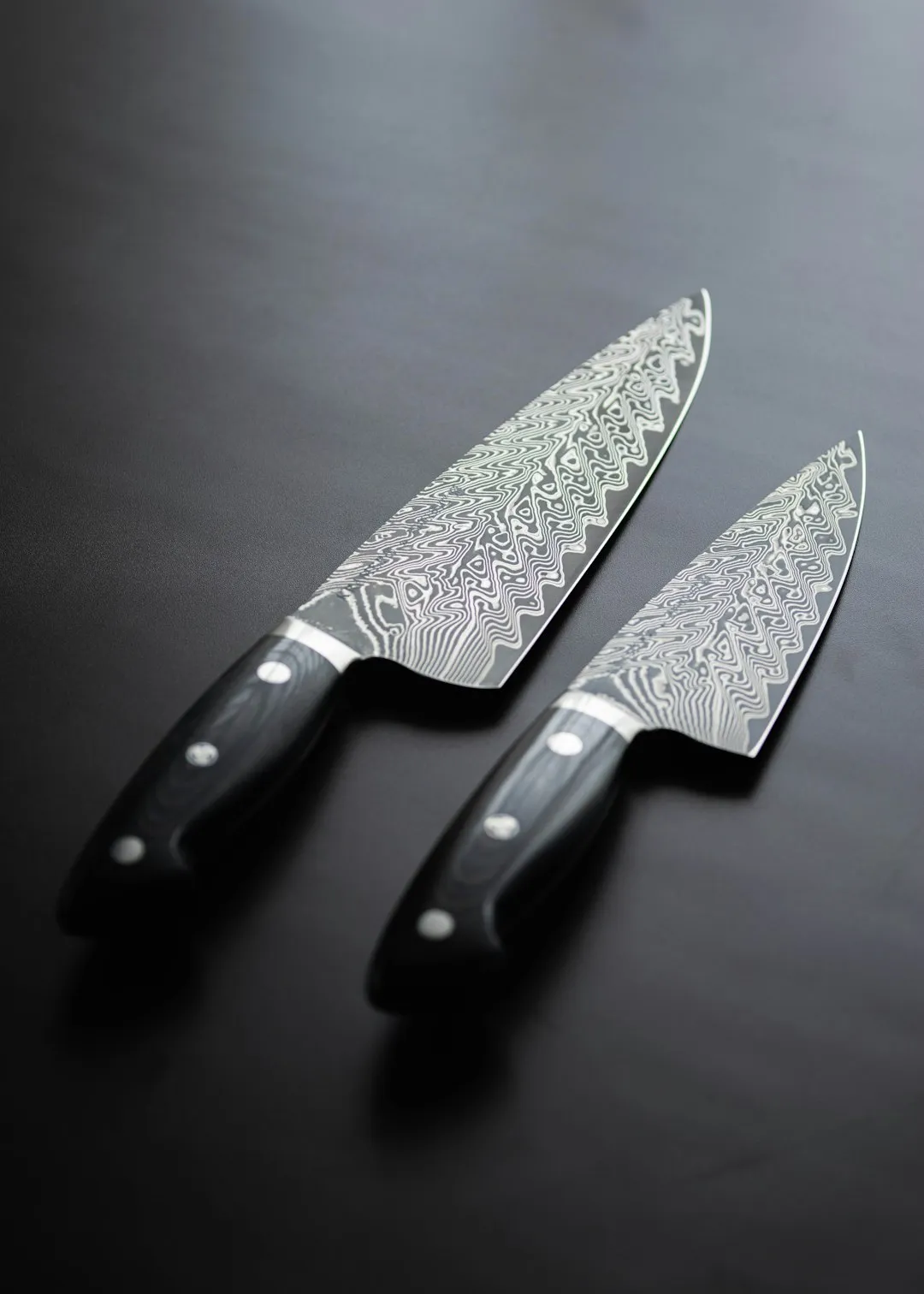
A shop visit is more productive when you already know the job the knife needs to do. Decide whether you want one general-purpose knife or a specialist, the maximum blade length that fits your cutting board, and whether you are willing to maintain carbon steel. The separate buyer’s guide explains the differences among a gyuto, santoku, and petty knife, along with VG-10, Aogami, Shirogami, and wa versus yo handles.
Bring that shortlist rather than a model number. Japanese stores may carry local lines, workshop-specific finishes, or sizes that do not appear in US retail listings. Ask the staff to confirm these points on the actual knife:
- Blade shape and length
- Stainless or carbon steel
- Double-bevel or single-bevel edge
- Right- or left-handed suitability, especially for single-bevel knives
- Whether a saya, edge guard, or protective box is included
- Engraving time and whether engraving affects returns
- Sharpening and repair options after you return to the US
Do not assume that an engraved knife can be returned. Kamata, for example, limits its engraving service to knives purchased at that store. Another Kappabashi retailer, KAMA-ASA, states that most chips can be repaired by sharpening and that it accepts repairs on knives bought elsewhere, but its mail-in repair service is not available for international orders. After-sales access can therefore be different for a US buyer than for a customer living in Japan.
How tax-free shopping applies to a knife purchase
Japan’s tax-free system is changing during 2026, so the purchase date matters. For sales through October 31, 2026, the current system remains in place. For sales from November 1, 2026, Japan moves to a refund method: an eligible visitor pays the tax-inclusive price at the store, customs confirms that the goods leave Japan, and the store then refunds the consumption-tax amount.
The Japan Tourism Agency explains the change on its official refund-method page. Our dedicated guide to Japan’s November 2026 tax-free shopping change covers the new airport process and the rules that apply to mixed purchases on one sales record.
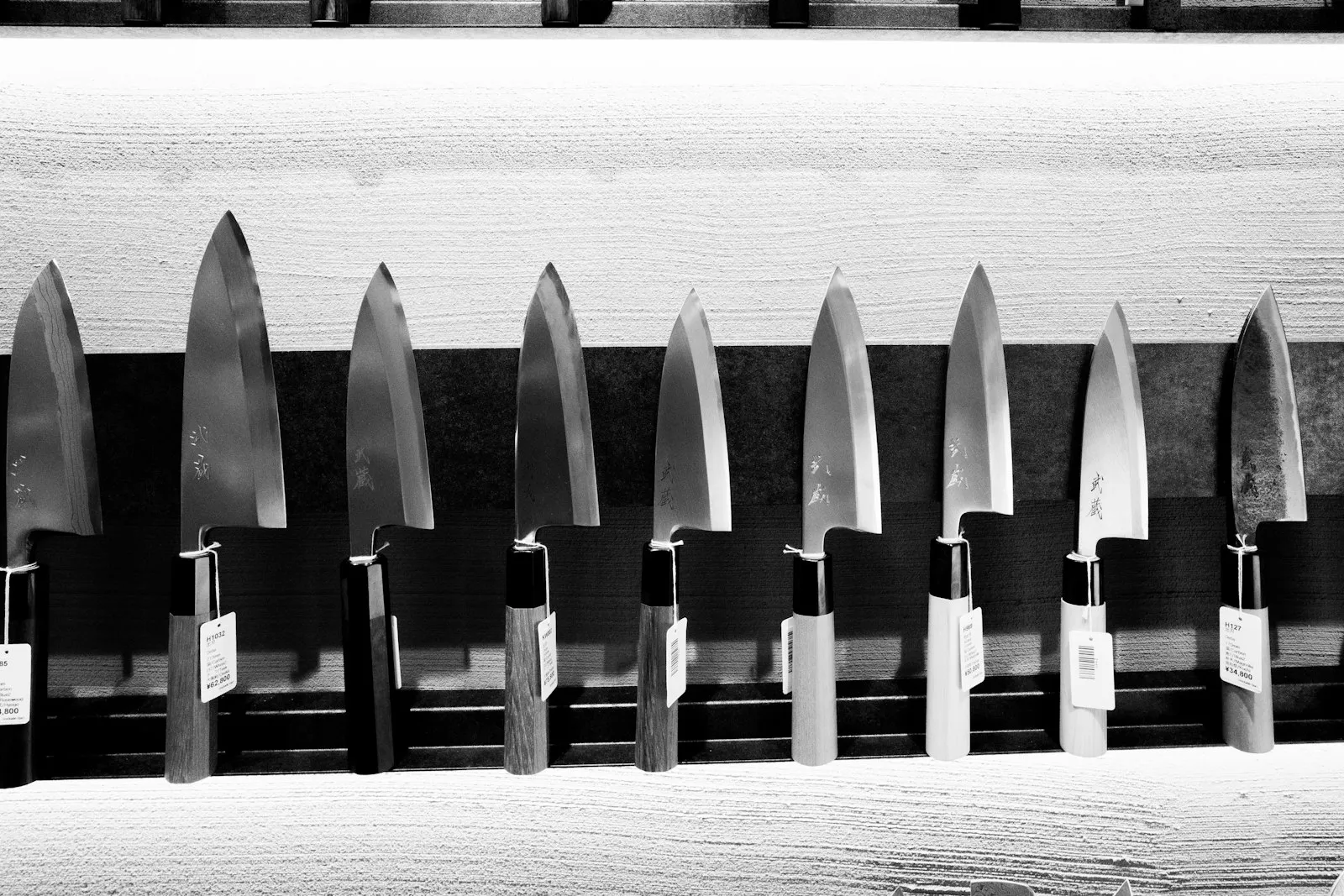
Two cautions matter specifically when buying a knife:
- Do not assume a particular knife store participates. The official pages checked for the Kappabashi stores in this guide did not state that they offer tax-free sales. Ask the store before paying, and do not build the budget around an exemption until the store confirms eligibility.
- Shipping the purchase home is no longer a tax-free workaround. Japan’s separate-shipment route, under which a visitor could send a tax-free purchase overseas after buying it, ended on March 31, 2025. The Tourism Agency says tax-free goods must be within the quantity the buyer can carry when departing Japan.
Some retailers still offer international shipping as an ordinary commercial service, but availability and terms vary by store and destination. That does not make a shipped order eligible for the visitor shopping exemption. Treat international shipping and tourist tax-free shopping as separate transactions with separate rules.
How to pack a Japanese knife for the flight home
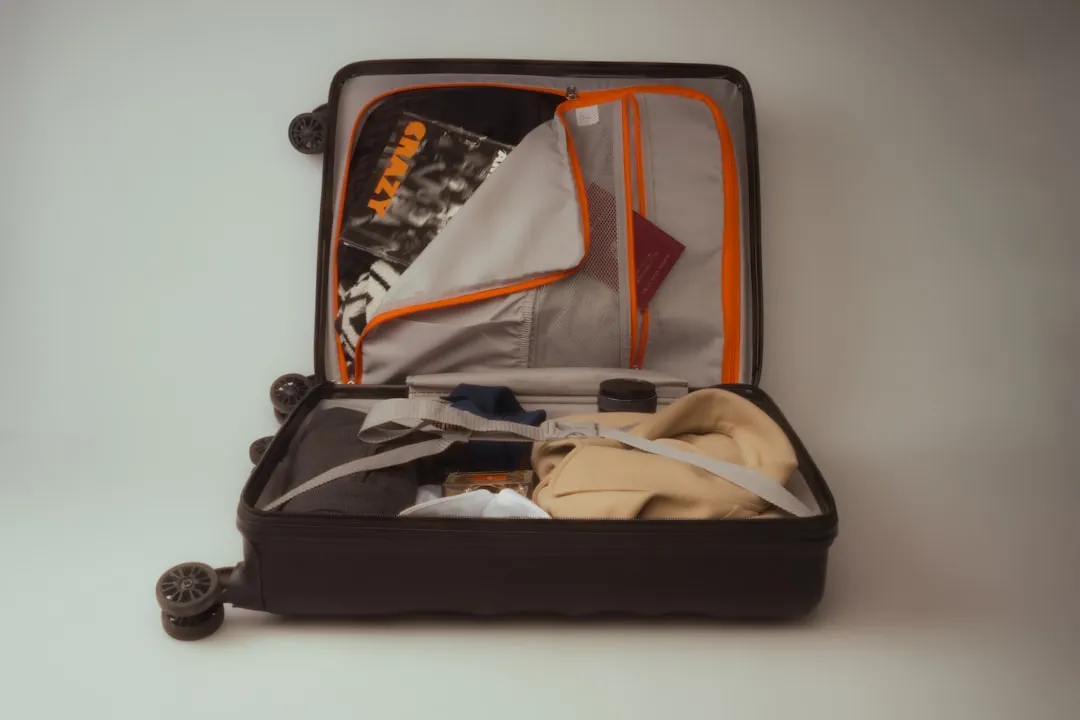
For the US side of the trip, the TSA knife rule is unambiguous: knives are not allowed in carry-on bags and are allowed in checked bags. TSA does not create different carry-on treatment for gyuto, santoku, nakiri, or petty knives. Its listed exceptions are rounded, blunt knives without serrations or teeth, such as butter knives, and plastic cutlery—not sharp kitchen knives.
TSA also says sharp objects in checked bags should be sheathed or securely wrapped to prevent injury to baggage handlers and inspectors. A practical packing sequence is:
- Cover the full cutting edge with the supplied saya, fitted edge guard, or a rigid temporary cover.
- Keep the knife in its retail box if the box holds it firmly.
- Wrap the boxed knife so it cannot slide out or move around the suitcase.
- Place it away from the bag’s zipper and outer wall, where an impact is more likely.
- Keep the receipt somewhere accessible rather than sealing it inside the wrapped package.
The TSA page adds an important limit: “The final decision rests with the TSA officer on whether an item is allowed through the checkpoint.” Your airline and the airport screening authority in Japan may have additional requirements, so confirm them before departure. If the trip includes a US connection where you collect baggage and re-clear security, make sure the knife goes back into the rechecked bag rather than a carry-on.
Whetstones need separate checking. As of August 9, 2026, TSA’s published item list did not contain an entry for “whetstone.” That absence is not permission. Ask TSA and the airline about the specific stone and place it where its weight cannot damage the knife or other contents.
What to declare when returning to the United States
Buying below the duty-free allowance does not mean skipping the declaration. US Customs and Border Protection states that anything brought back that you did not have when you left the United States must be declared. Keep the store receipt and declare the amount actually paid.

For a returning US resident arriving from Japan, CBP describes an $800 personal exemption for accompanied baggage, but the conditions matter. The traveler must have remained outside US territory for at least 48 hours, and the exemption is available every 31 days. Those conditions appear in CBP’s Customs Duty Information, while the accompanied-baggage rule appears on its Types of Exemptions page.
A traveler who cannot claim the $800 exemption because the trip was shorter than 48 hours or because of recent travel may qualify for a $200 exemption. CBP warns that if the dutiable merchandise exceeds $200, the full amount—not only the portion above $200—can be dutiable. This guide does not use a flat-rate shortcut for purchases above the exemption because the cited CBP pages do not confirm one for a traveler returning from Japan. The officer determines the applicable classification and duty.
Federal import rules also do not settle every knife-law question. Under 19 CFR §§12.95–12.103, a knife designed for a primary utilitarian use can be admitted if it is not a switchblade as defined there. Kitchen use falls within the regulation’s examples of customary household purposes.
However, §12.96(b) expressly warns that possession of an article released by Customs may still “be in violation of State or municipal laws.” Check the rules for the state and city where the knife will be possessed or transported. That check is separate from TSA screening and CBP admission; this article does not interpret any individual state or local knife law.
FAQ
Can I put a Japanese chef knife in my carry-on? No. TSA lists knives as prohibited in carry-on bags and permitted in checked bags. Sharp objects in checked baggage should be sheathed or securely wrapped, and the final decision rests with the TSA officer. Also confirm the rules of the airline and the airport where the return journey begins.
Do I have to declare a knife if it cost less than $800? Yes. CBP says purchases acquired abroad must be declared. The $800 figure is a potential duty-free personal exemption, not an exemption from declaring the item, and it applies only when its timing and trip-length conditions are met.
Can the store ship the knife to the US and keep the purchase tax-free? Not under Japan’s former separate-shipment route. That route ended on March 31, 2025. A retailer may still offer ordinary international shipping, but that is separate from the visitor tax-free shopping system.
Is Kappabashi open on Sunday? Some stores are, but the official shopping street association says about 70% of Kappabashi stores close on Sundays and national holidays. Check the individual store’s official schedule and use a weekday or Saturday when the goal is to compare several shops.
Are Japanese kitchen knives legal to bring into the US? Federal import regulations distinguish utilitarian knives from prohibited switchblades, but federal admission is not the end of the analysis. The regulation itself warns that state or municipal law may still restrict possession. Check the rules at the final destination without assuming that a Customs release answers the local-law question.
A final pre-flight checklist
- Choose Kappabashi on a weekday or Saturday when possible.
- Check the individual Tsukiji store’s hours rather than relying on the market calendar alone.
- Decide the blade shape, length, steel, and maintenance level before shopping.
- Ask about tax-free eligibility before paying; do not assume any named store participates.
- Remember that the refund method begins with purchases made on November 1, 2026.
- Do not use international shipping as a tax-free workaround.
- Keep the blade securely covered and place it in checked baggage.
- Retain the receipt and declare the purchase to CBP.
- Verify airline, departure-airport, state, and city rules separately.
A knife is a more durable souvenir than most things sold around a station, but it also requires more planning than bringing home food. If the suitcase still has room for something easier to manage, the Japanese snack box comparison explains the subscription alternative to packing regional sweets yourself.
If the packing and declaration steps above are more than you want to manage, ordering after you get home is the other route: Okami Blades sells Japanese kitchen knives online and, as of September 2026, gives readers arriving through that link 10% off an order. It is an affiliate link: we earn a commission on purchases at no extra cost to you. Import charges still apply to a shipped knife, so compare the landed price, not the sticker price.
Sources: TSA — Knives, CBP — Types of Exemptions, CBP — Customs Duty Information, eCFR — 19 CFR §§12.95–12.103, Japan Tourism Agency — Refund Method, Kappabashi Shopping Street — FAQ, Kappabashi Shopping Street — Access, Tsukiji Outer Market — Calendar, Tsukiji Outer Market — Visitor Guide, Tsukiji Outer Market — Shop List, Kamata Hakensha — Engraving, Kamata Hakensha — Access, KAMA-ASA — User’s Guide (all accessed 10 August 2026).